
ZELLIGE
CRAFTED BY HAND, DEFINED BY CHARACTER
Traditional. Handmade. Artisanal.
The Magic Of Zellige
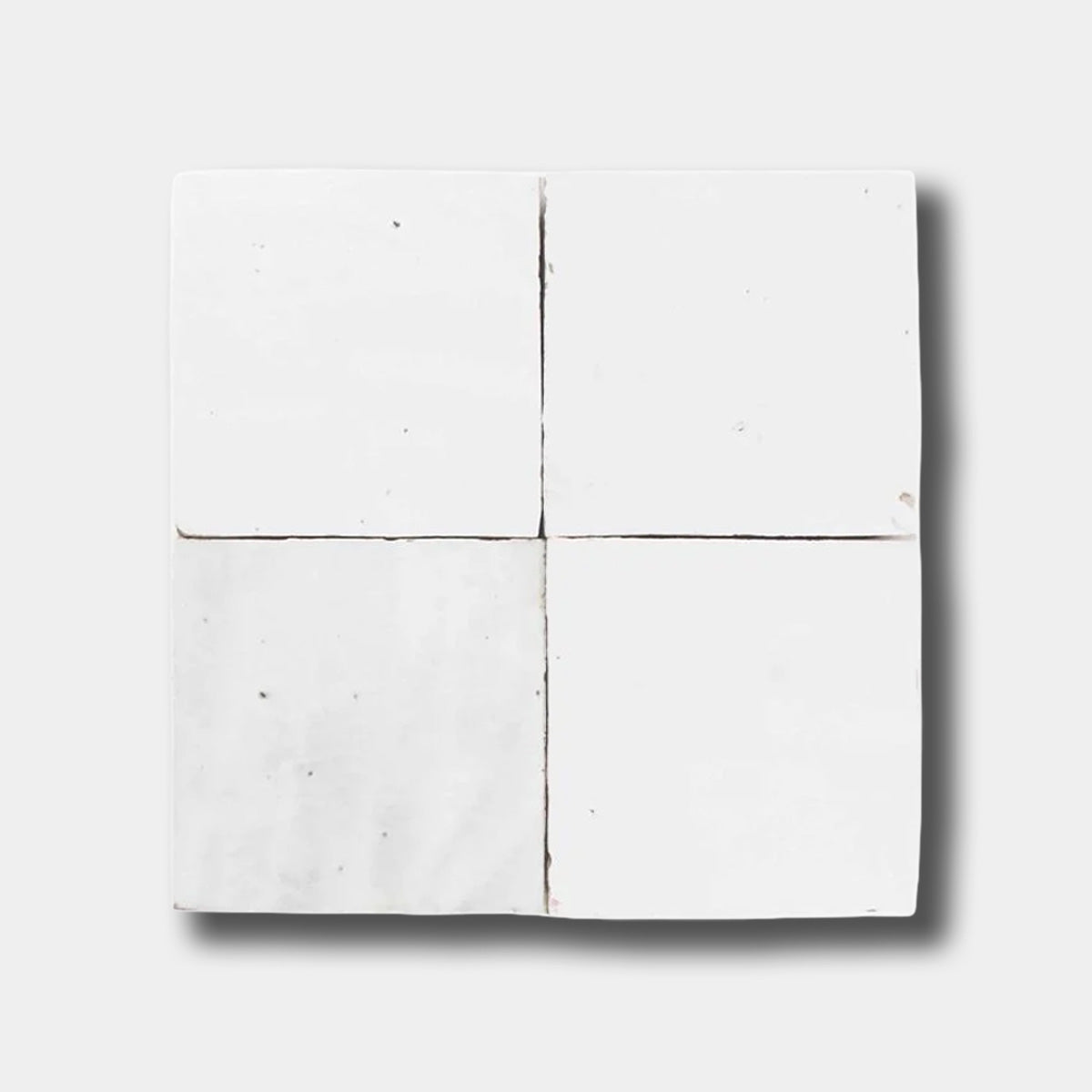
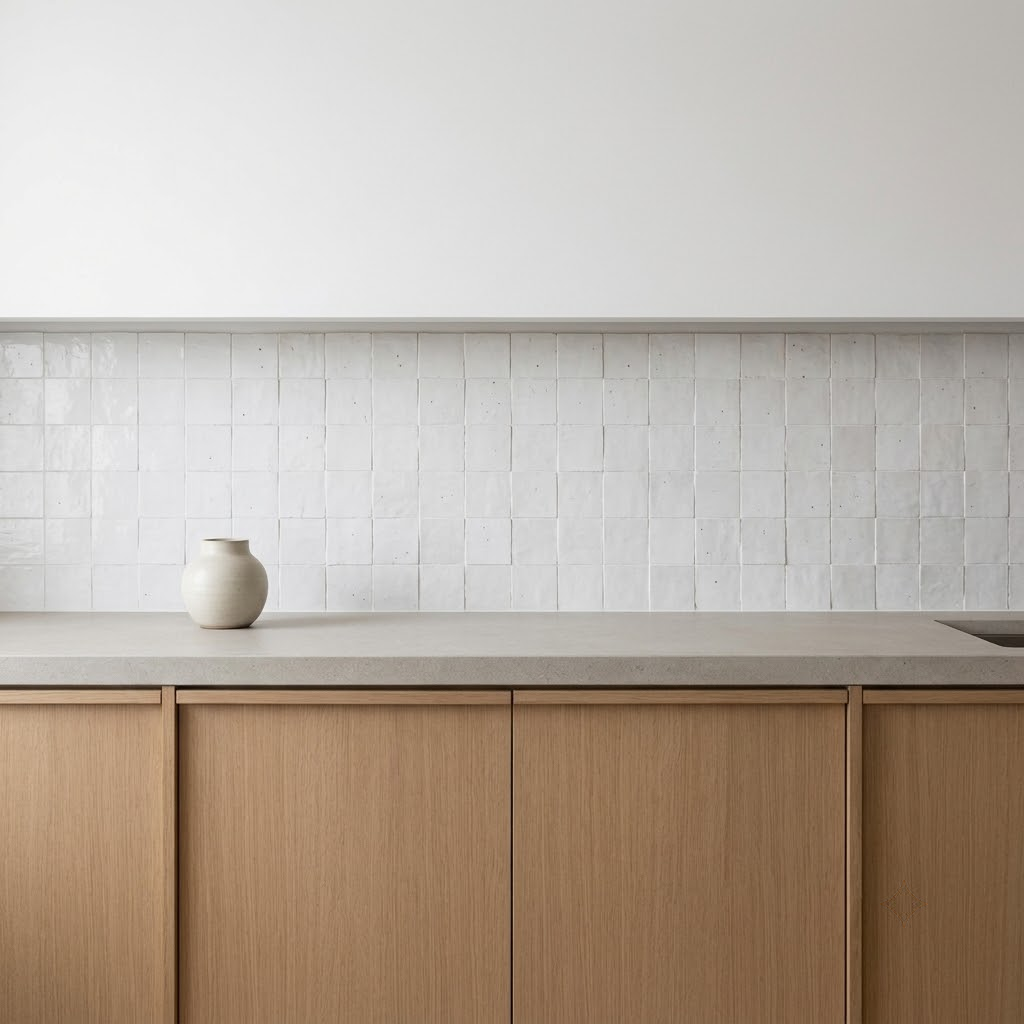
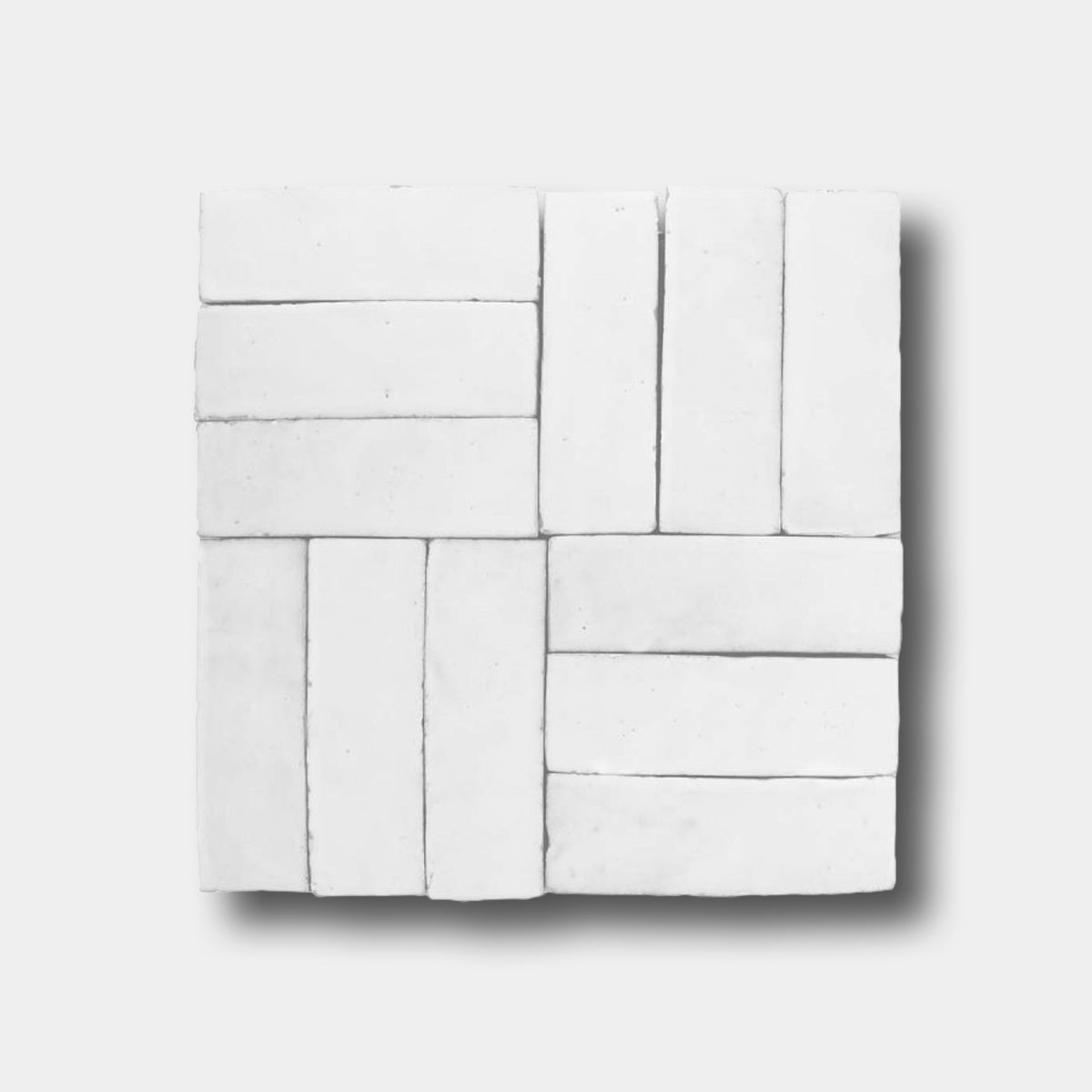
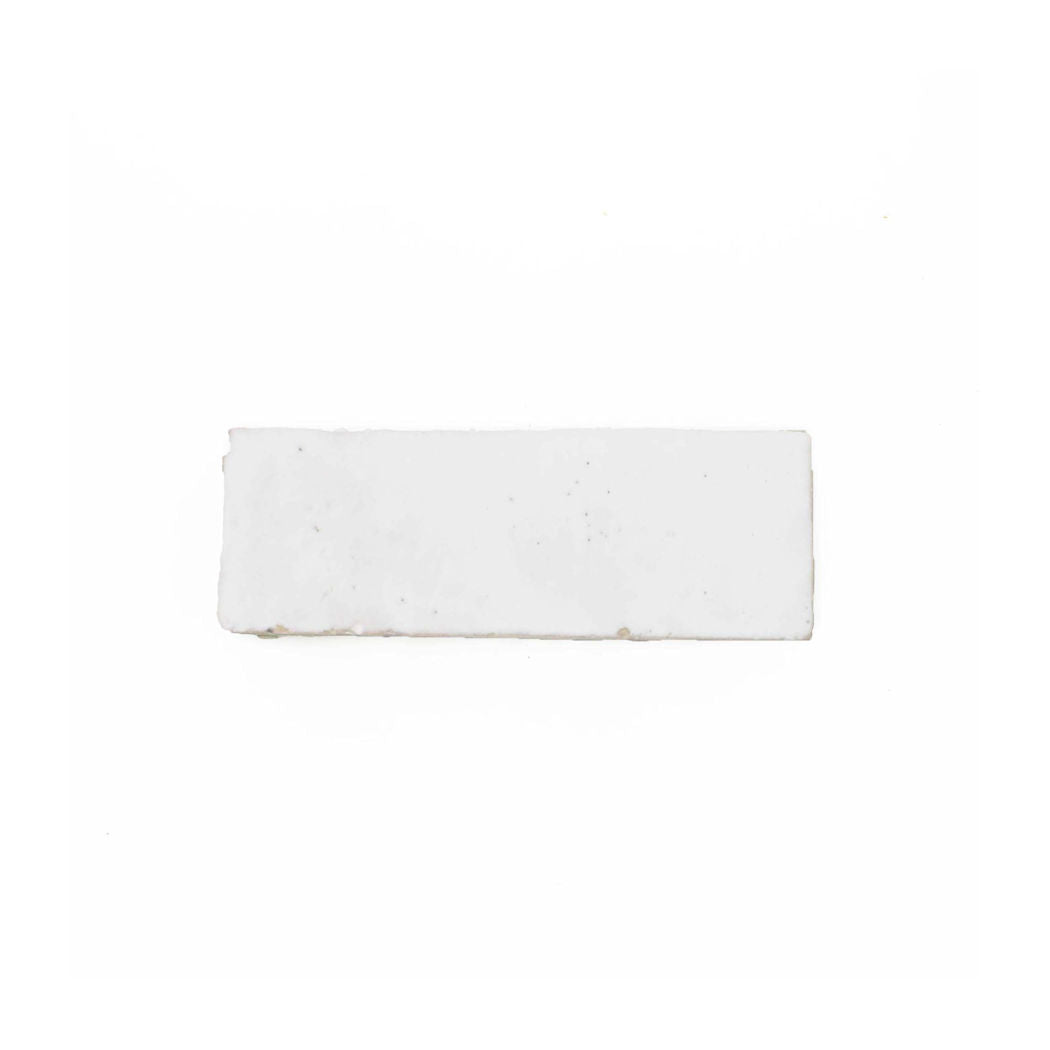
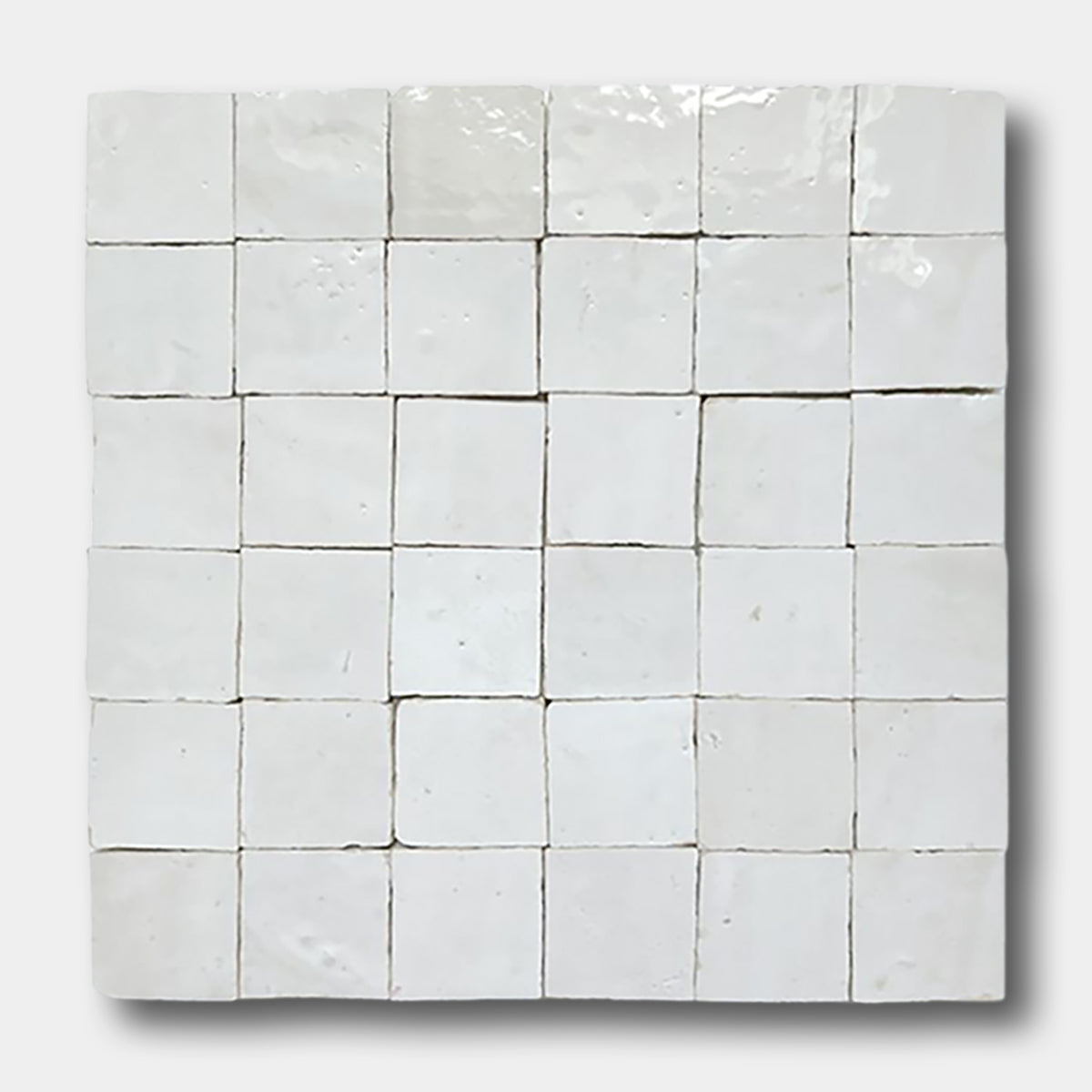
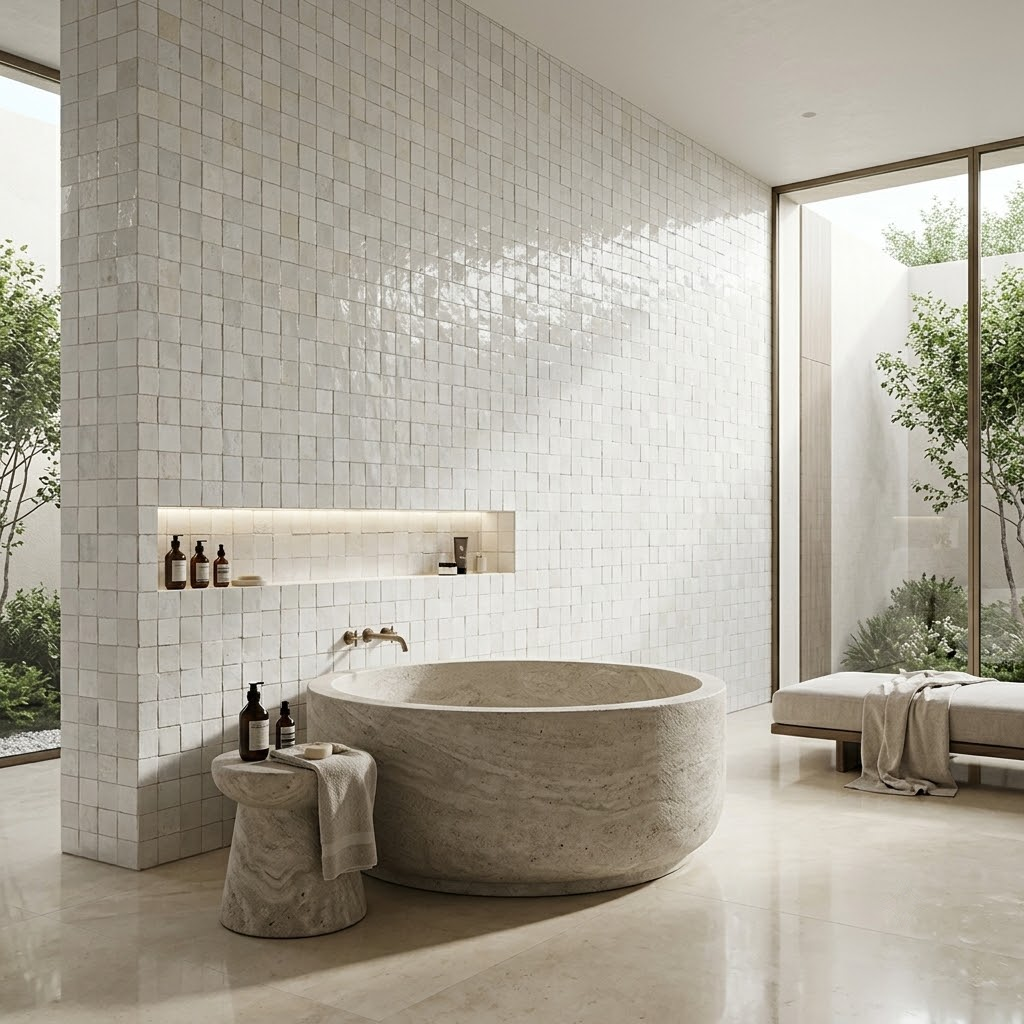
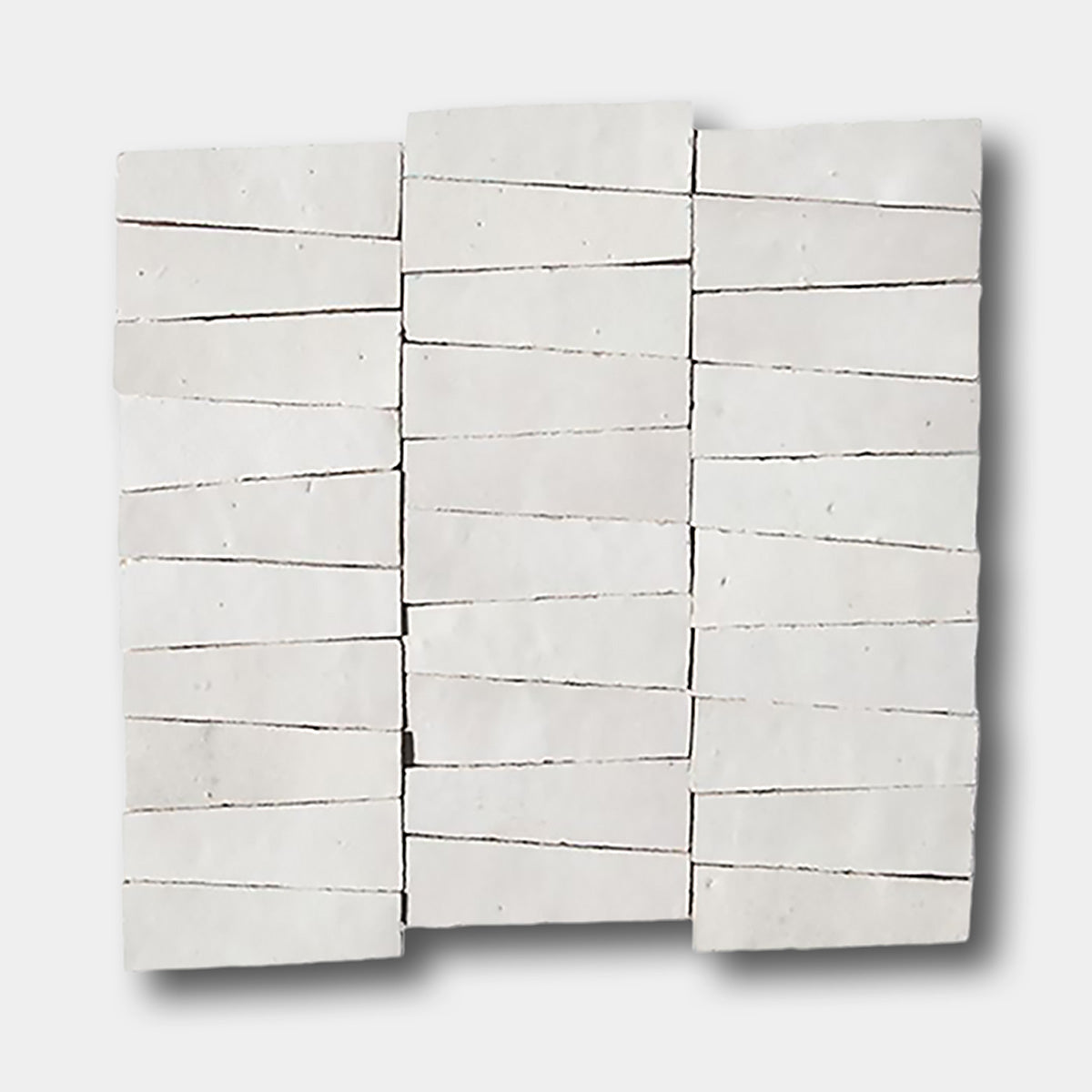
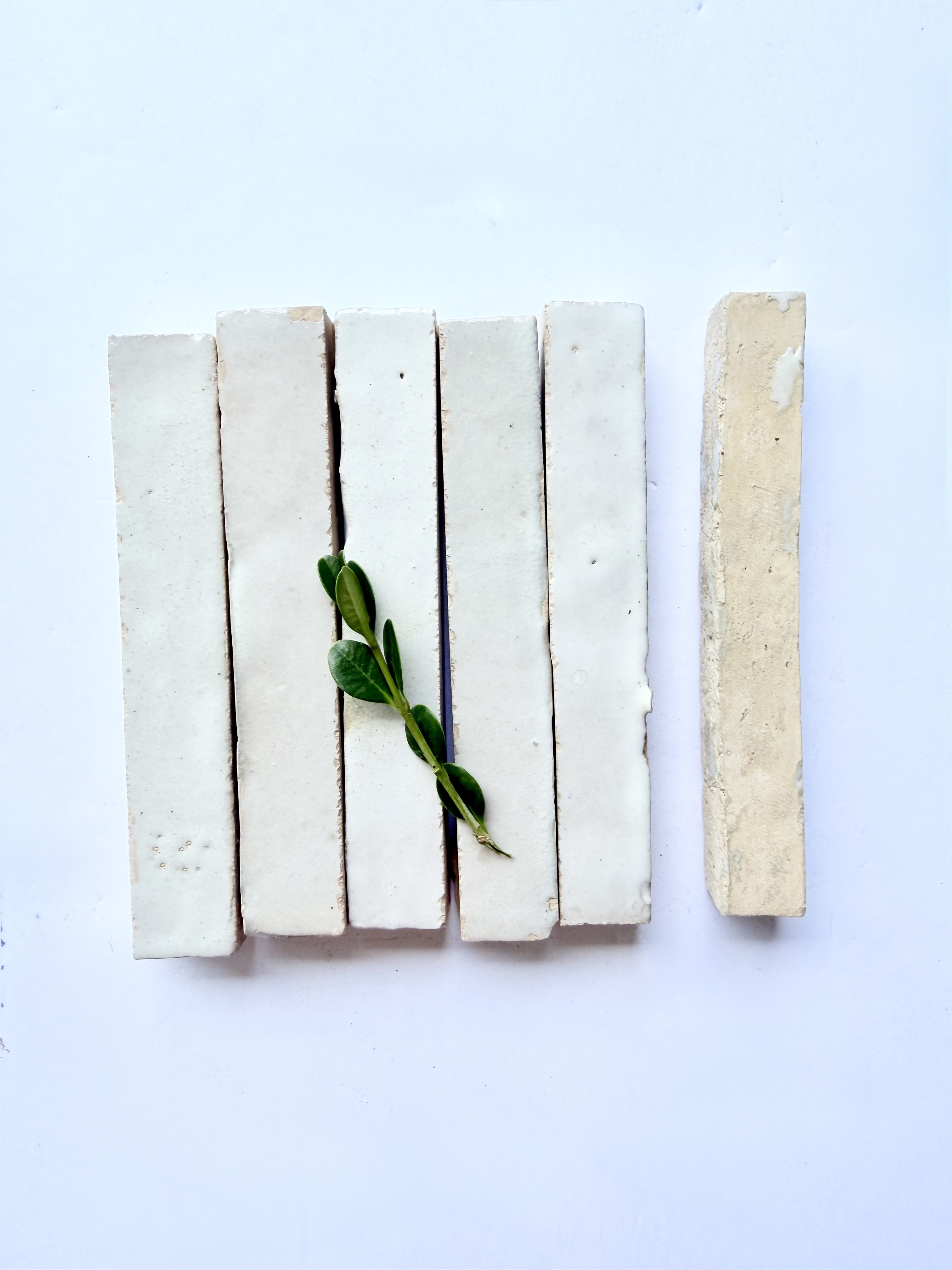
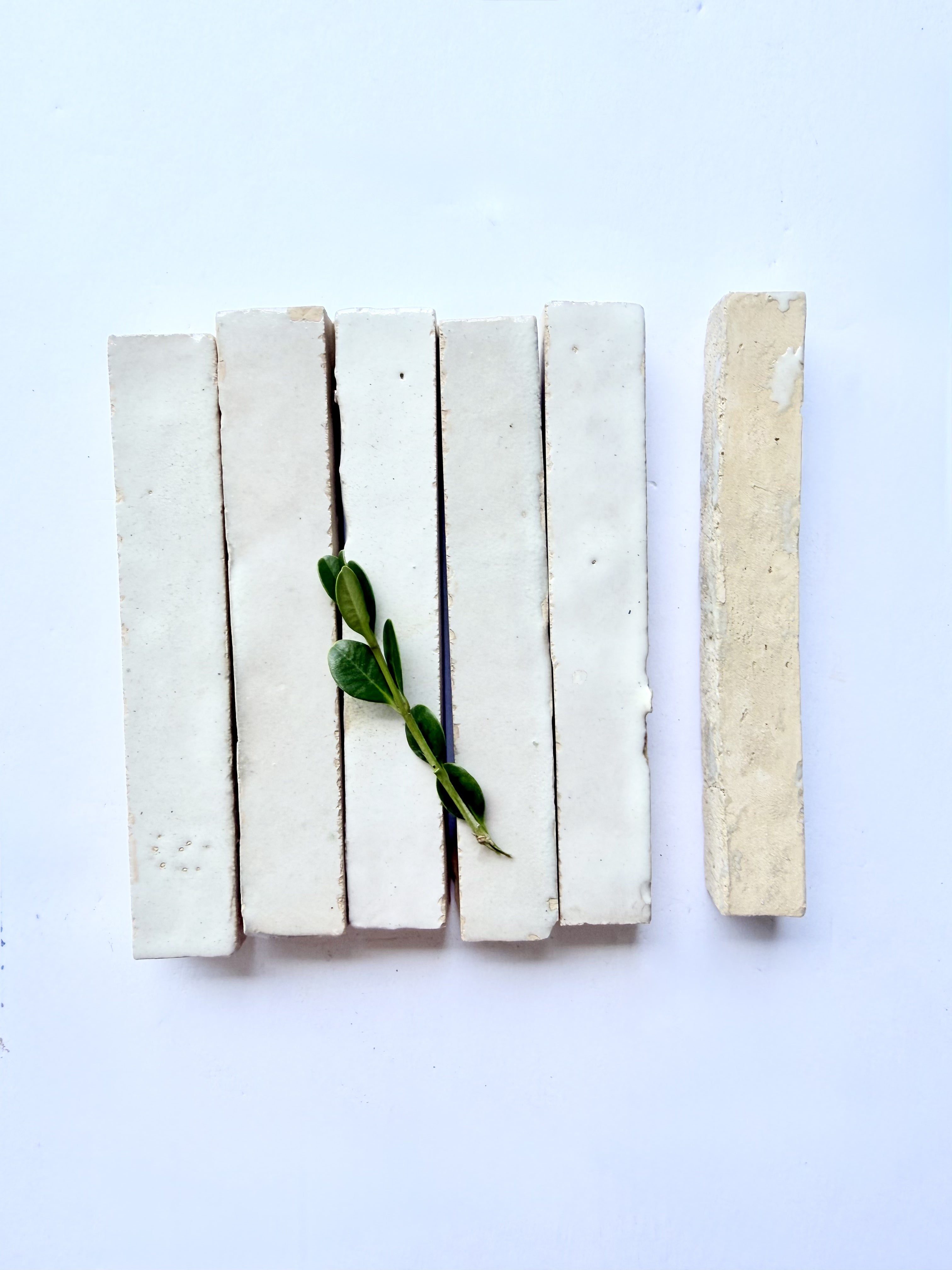
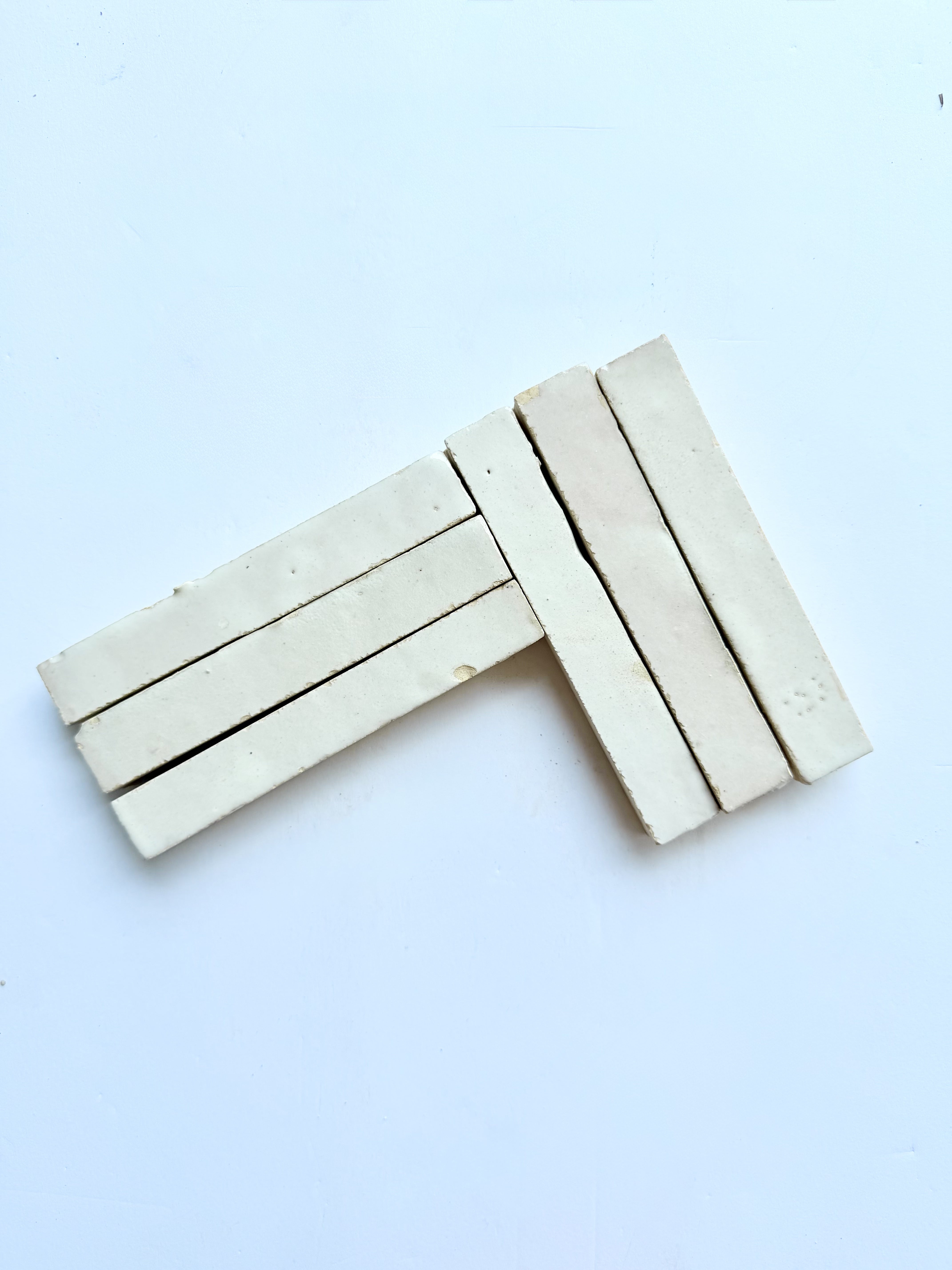
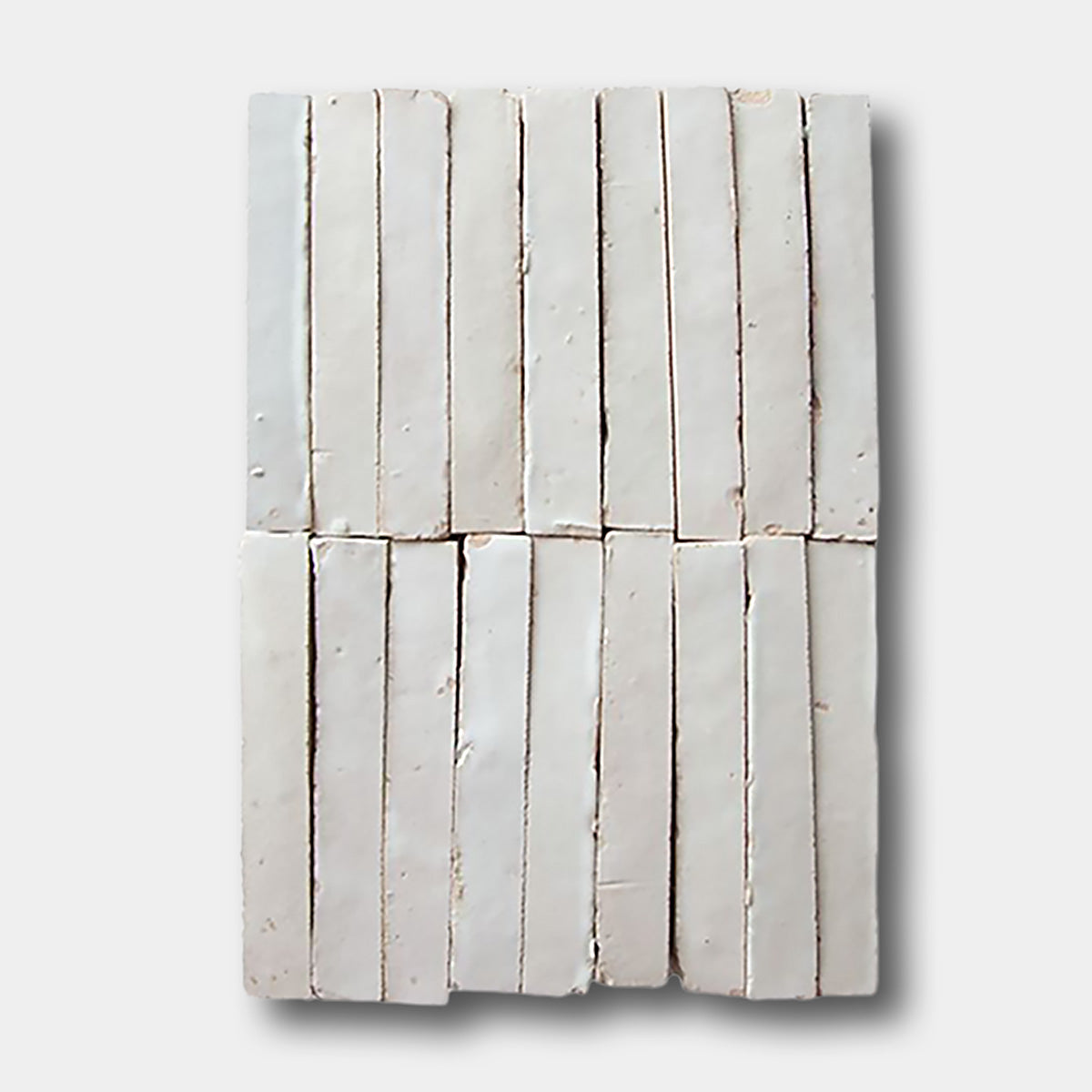
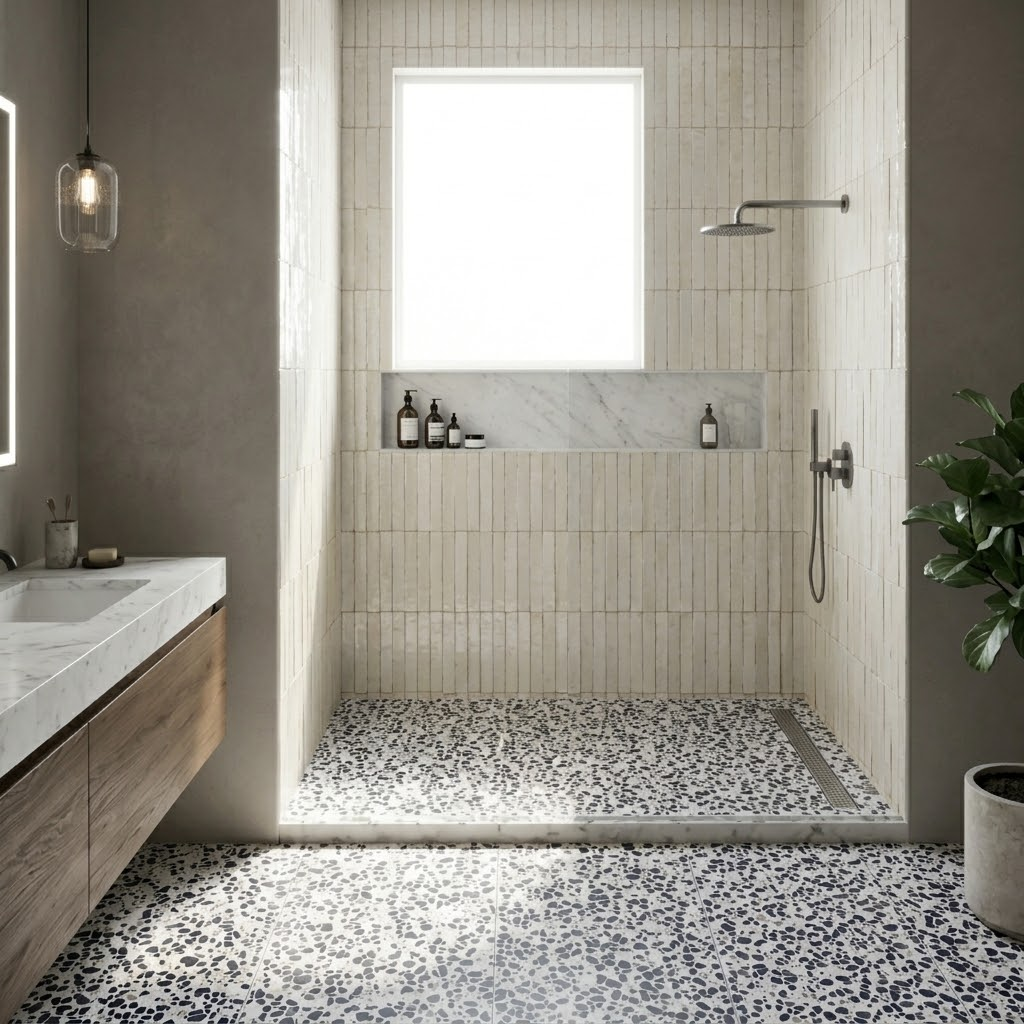
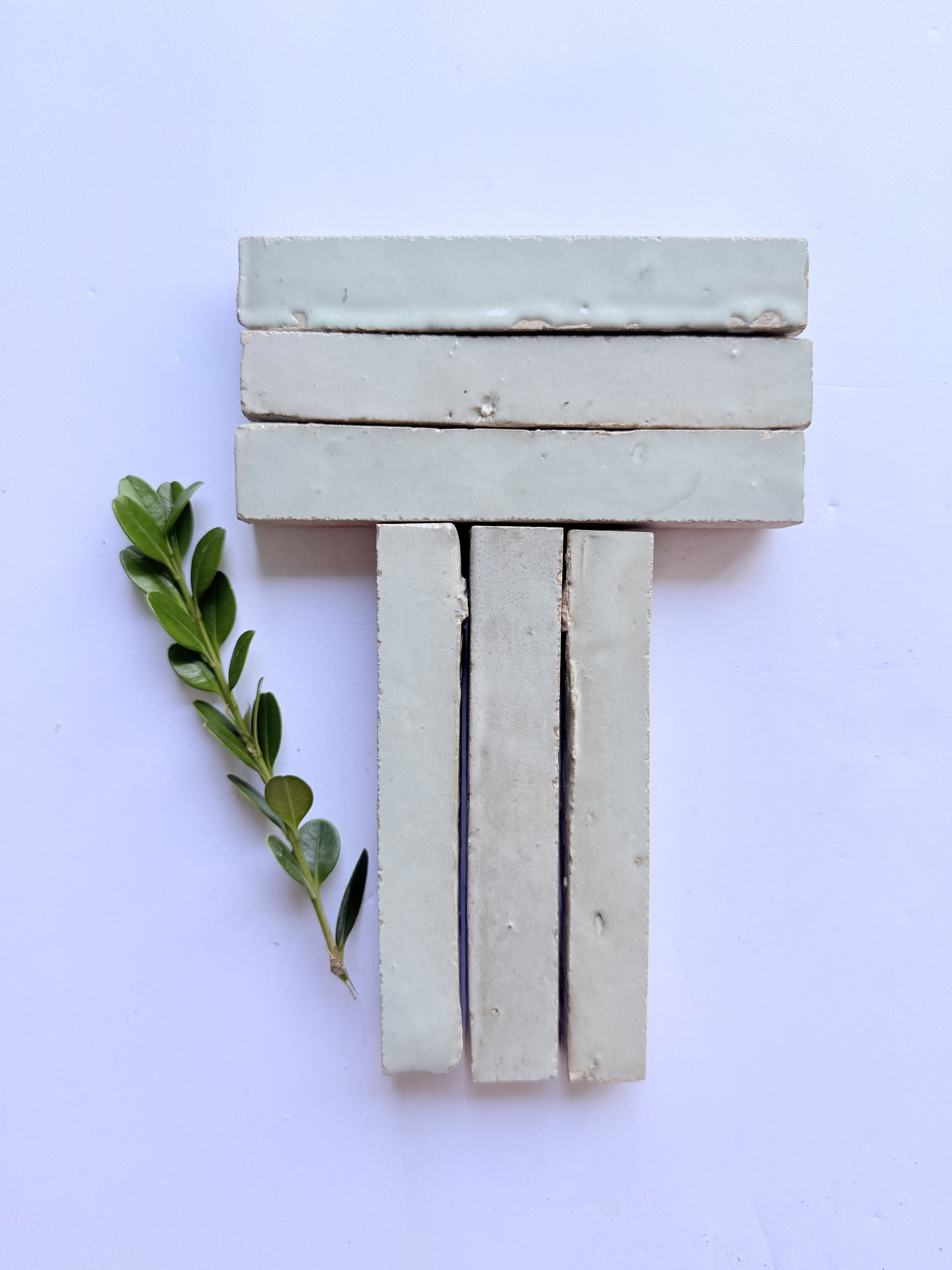
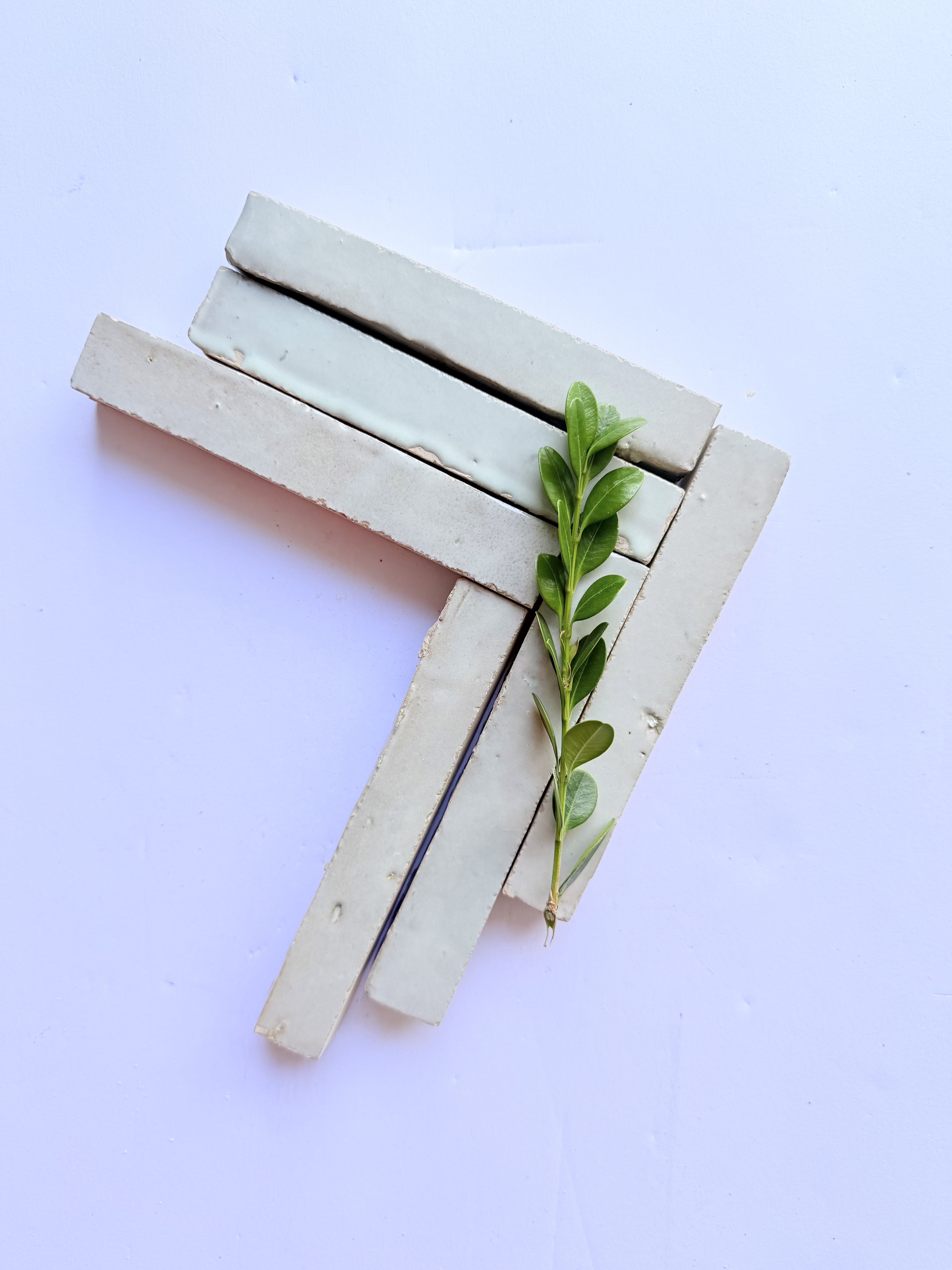
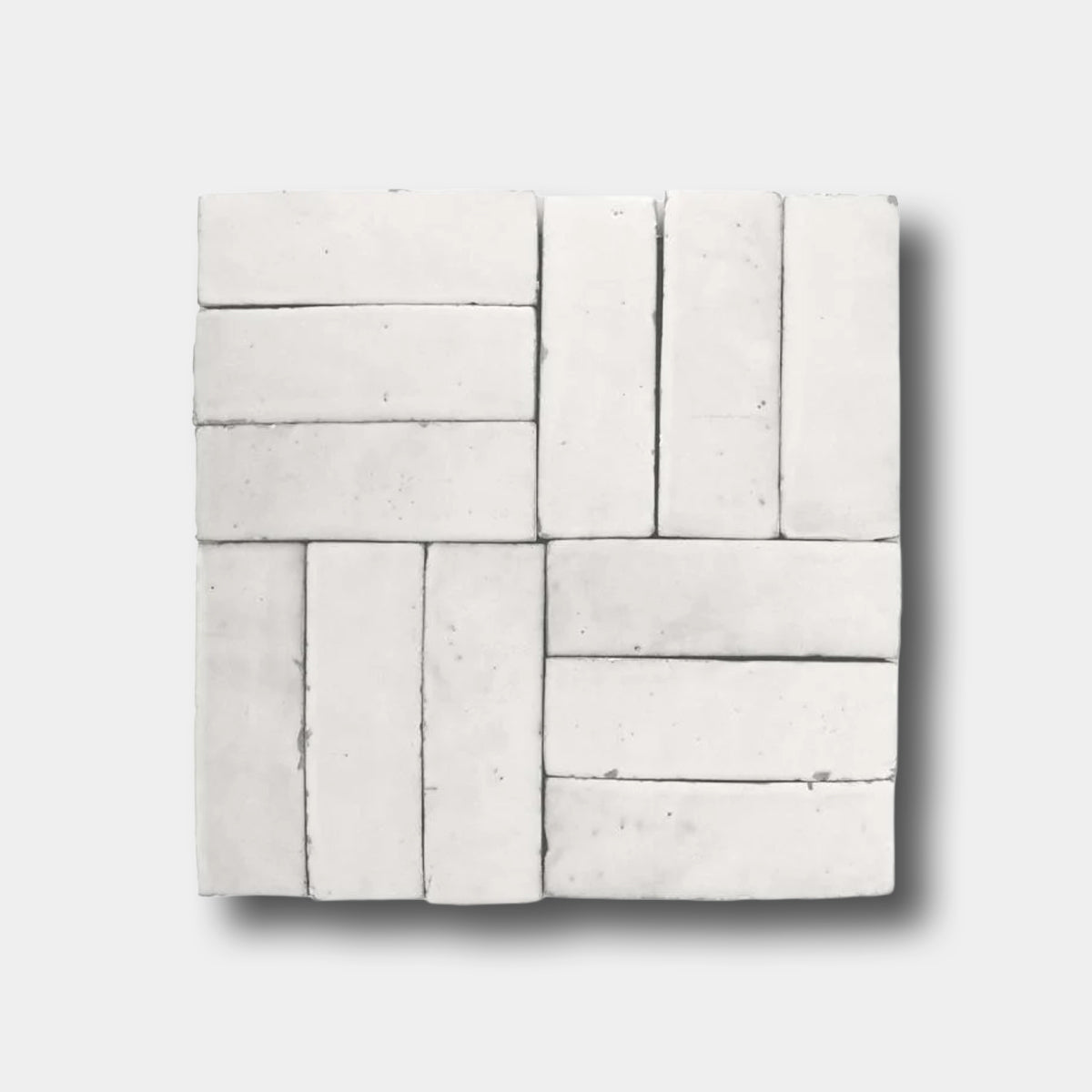
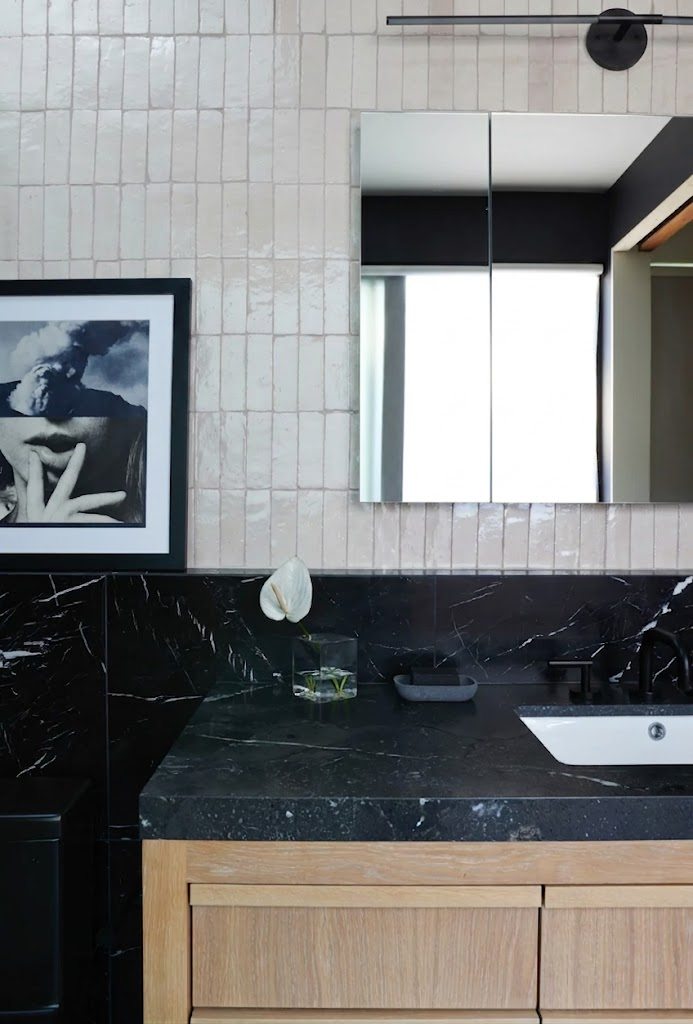
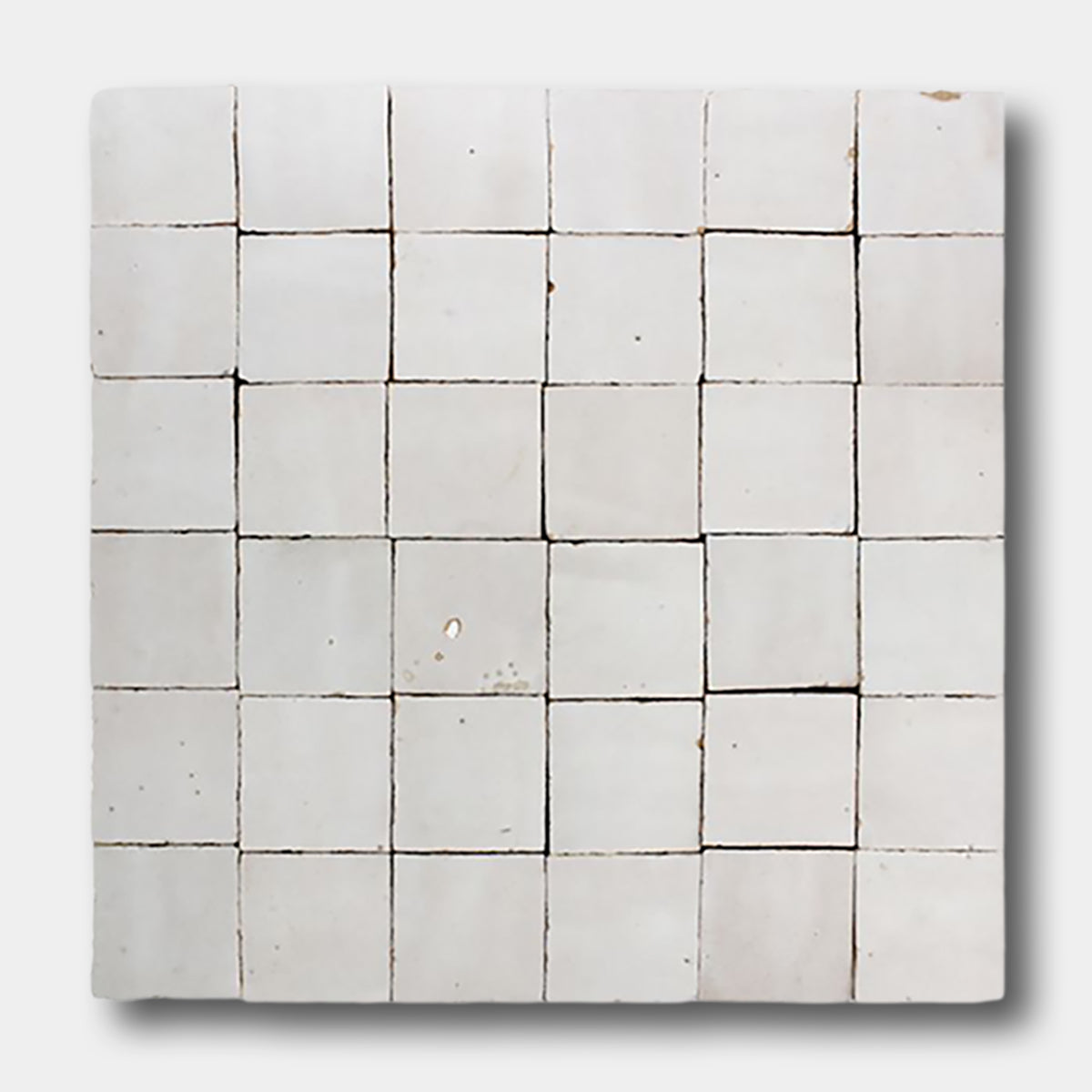
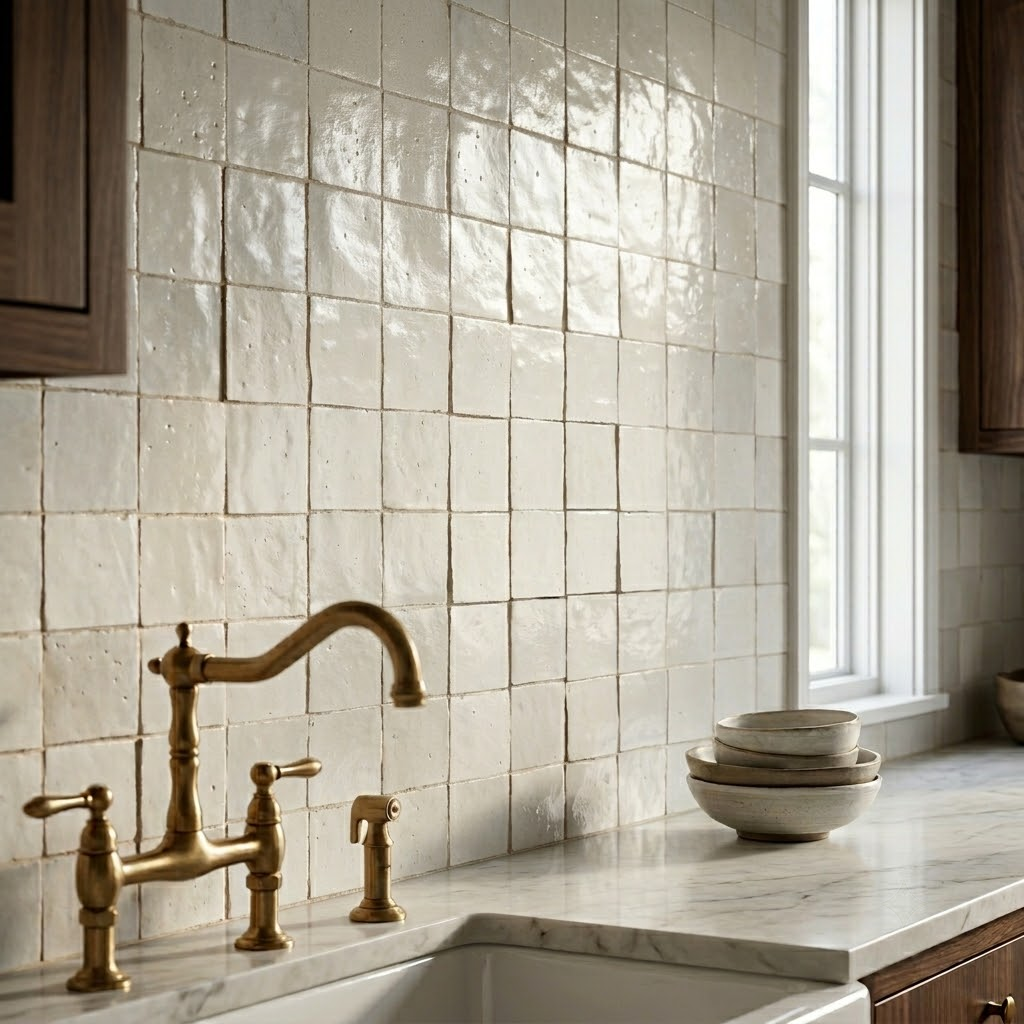
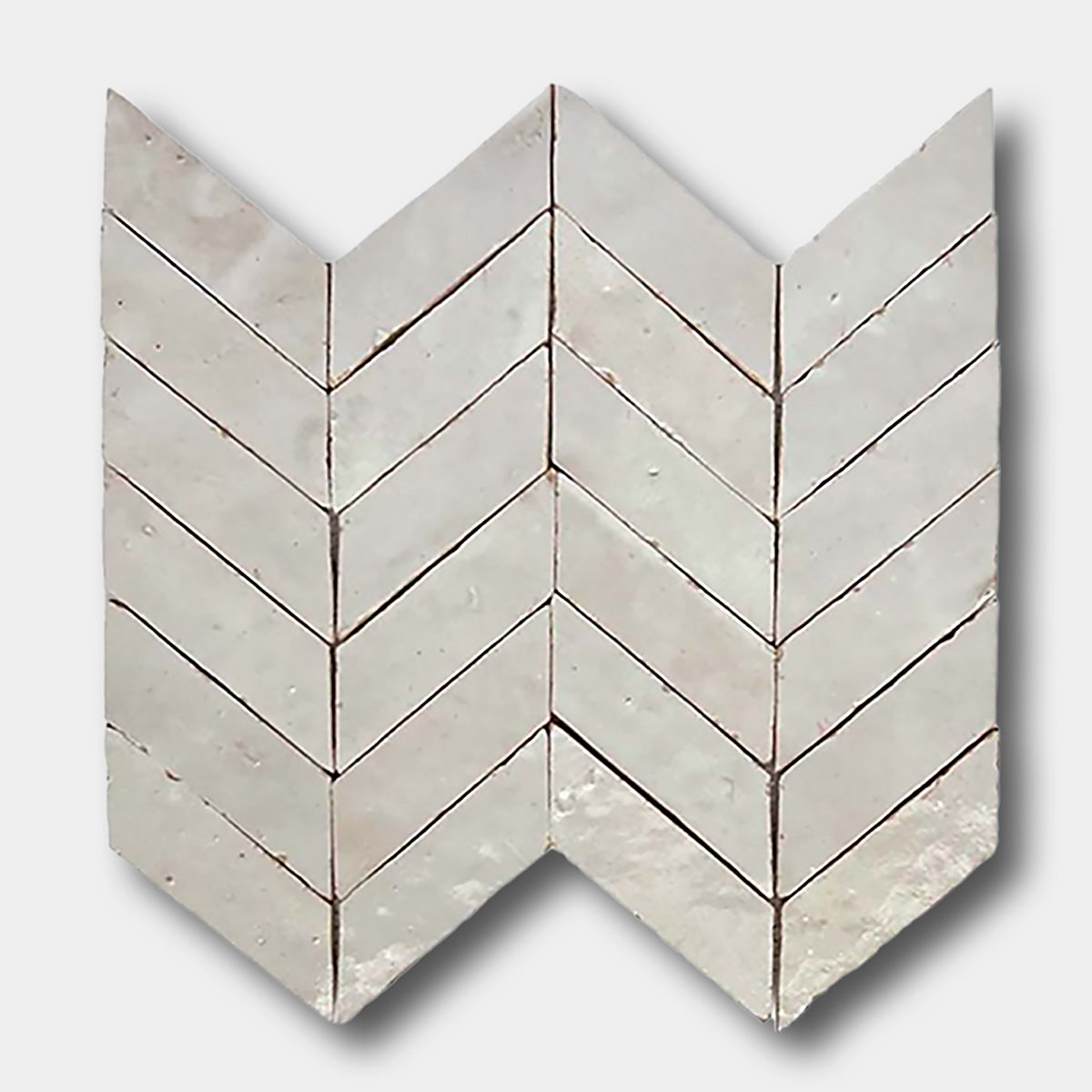
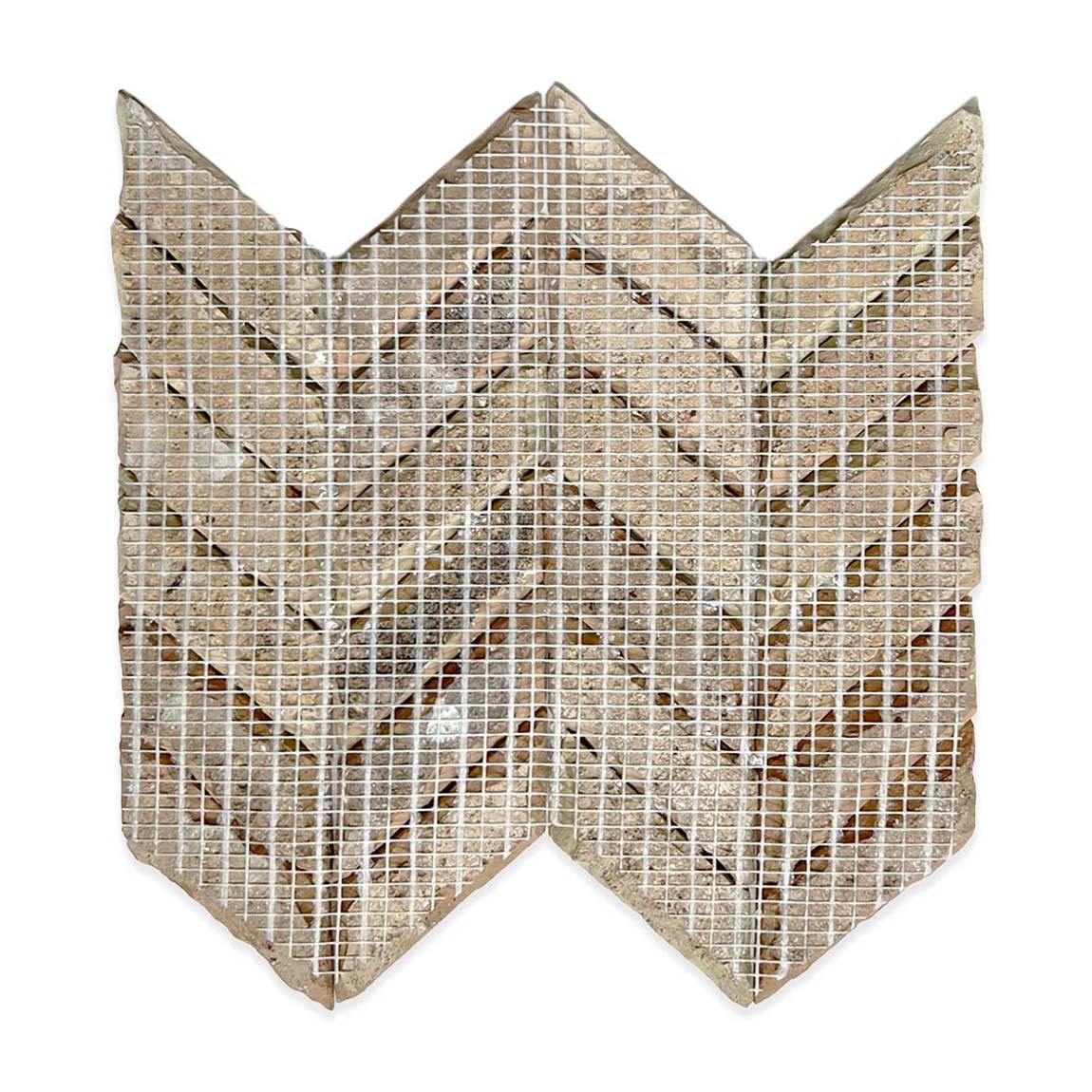
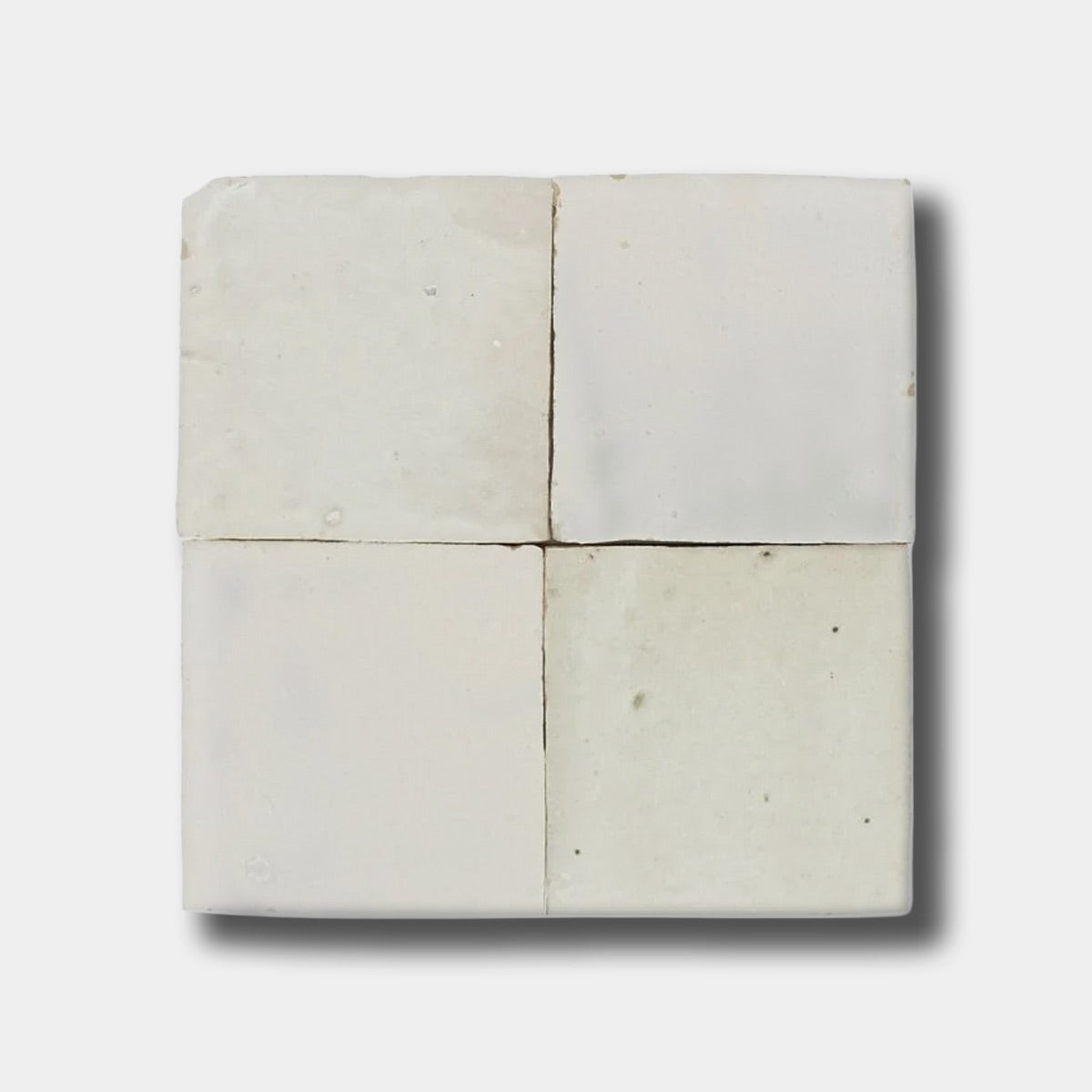
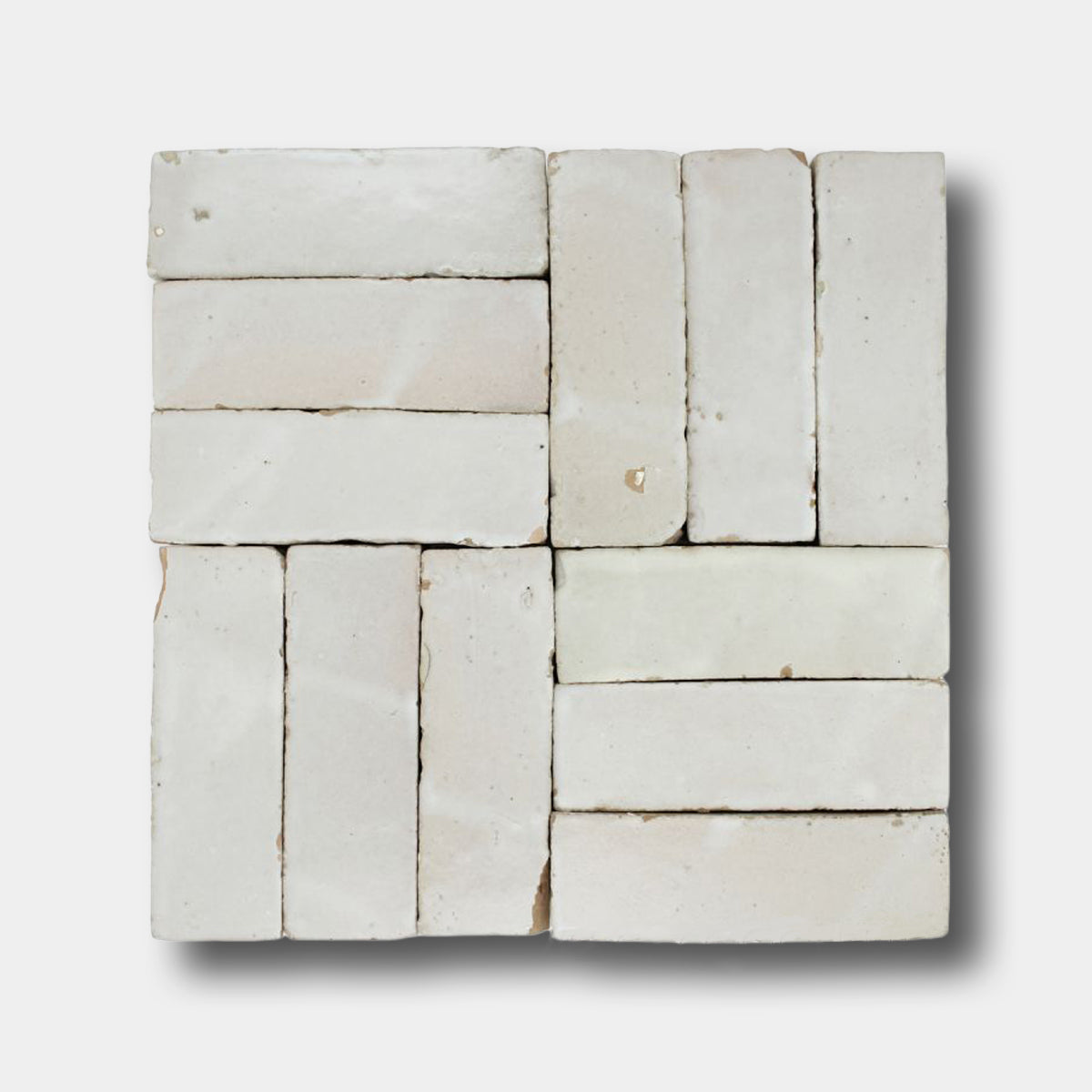
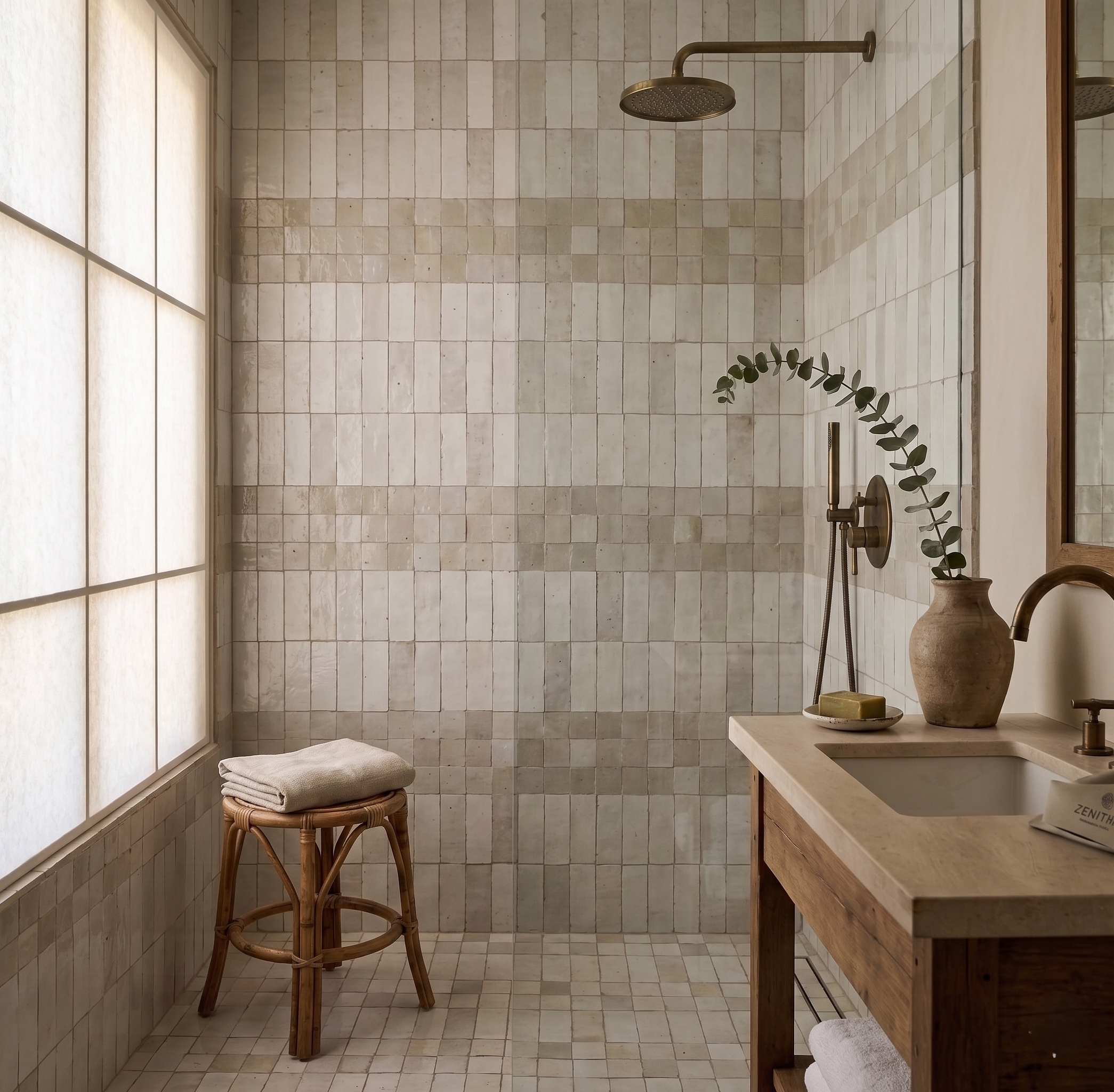
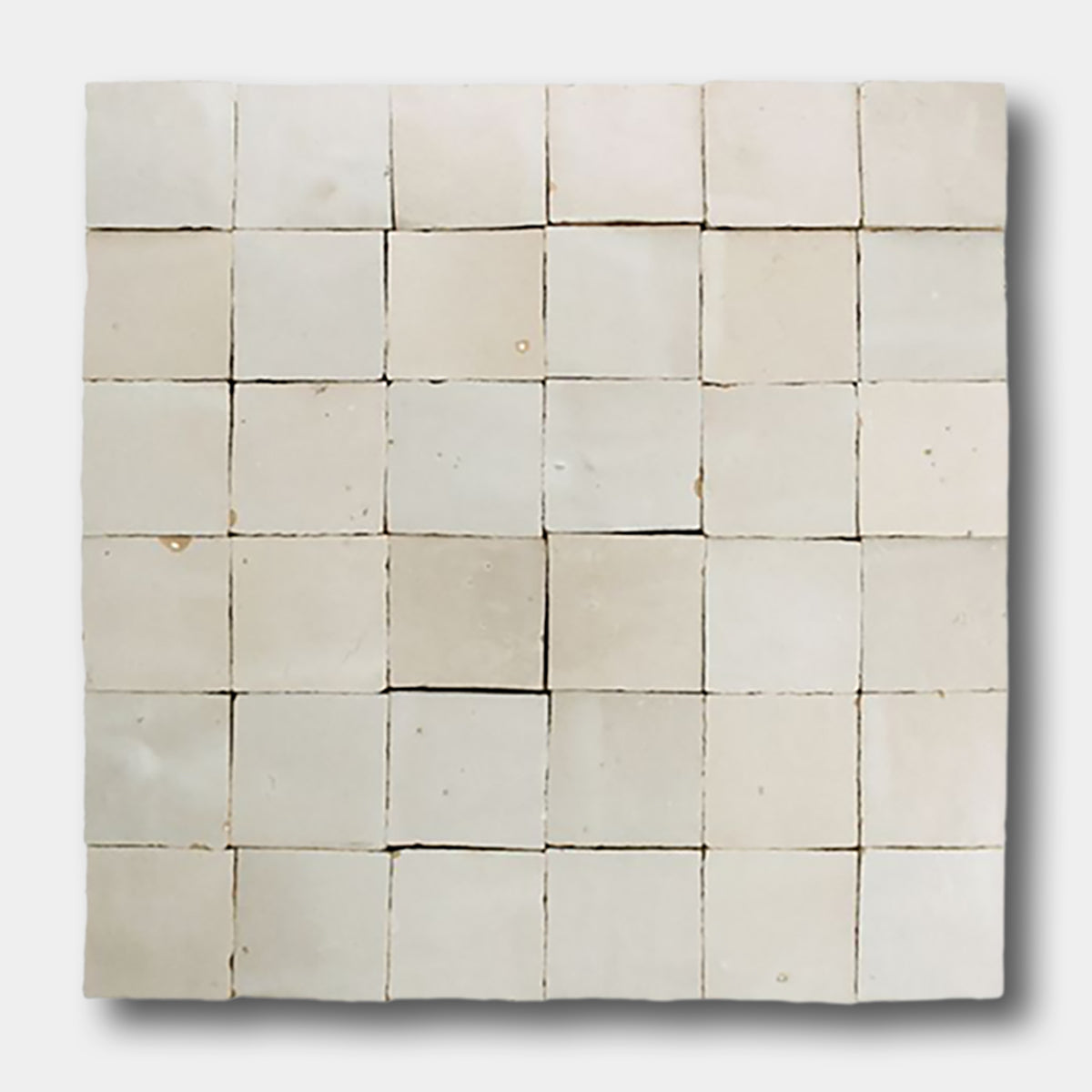
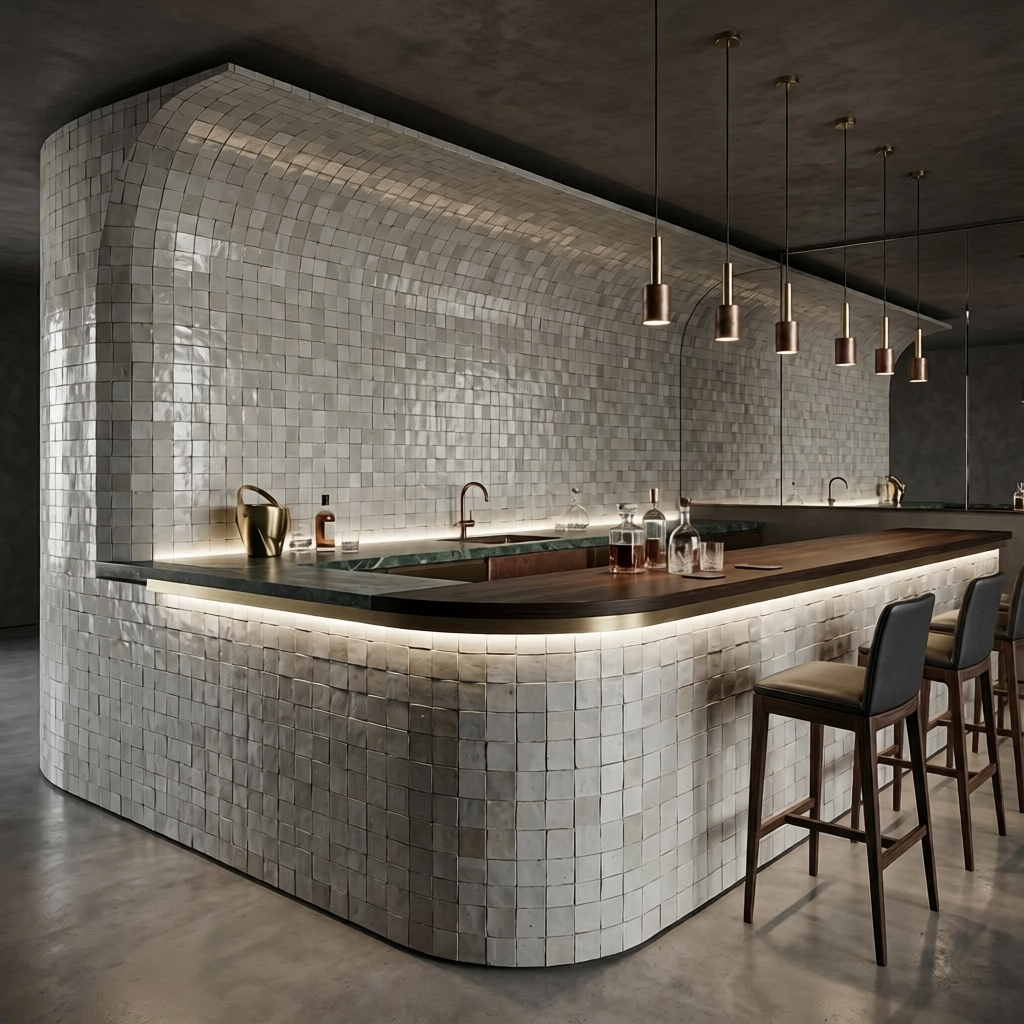
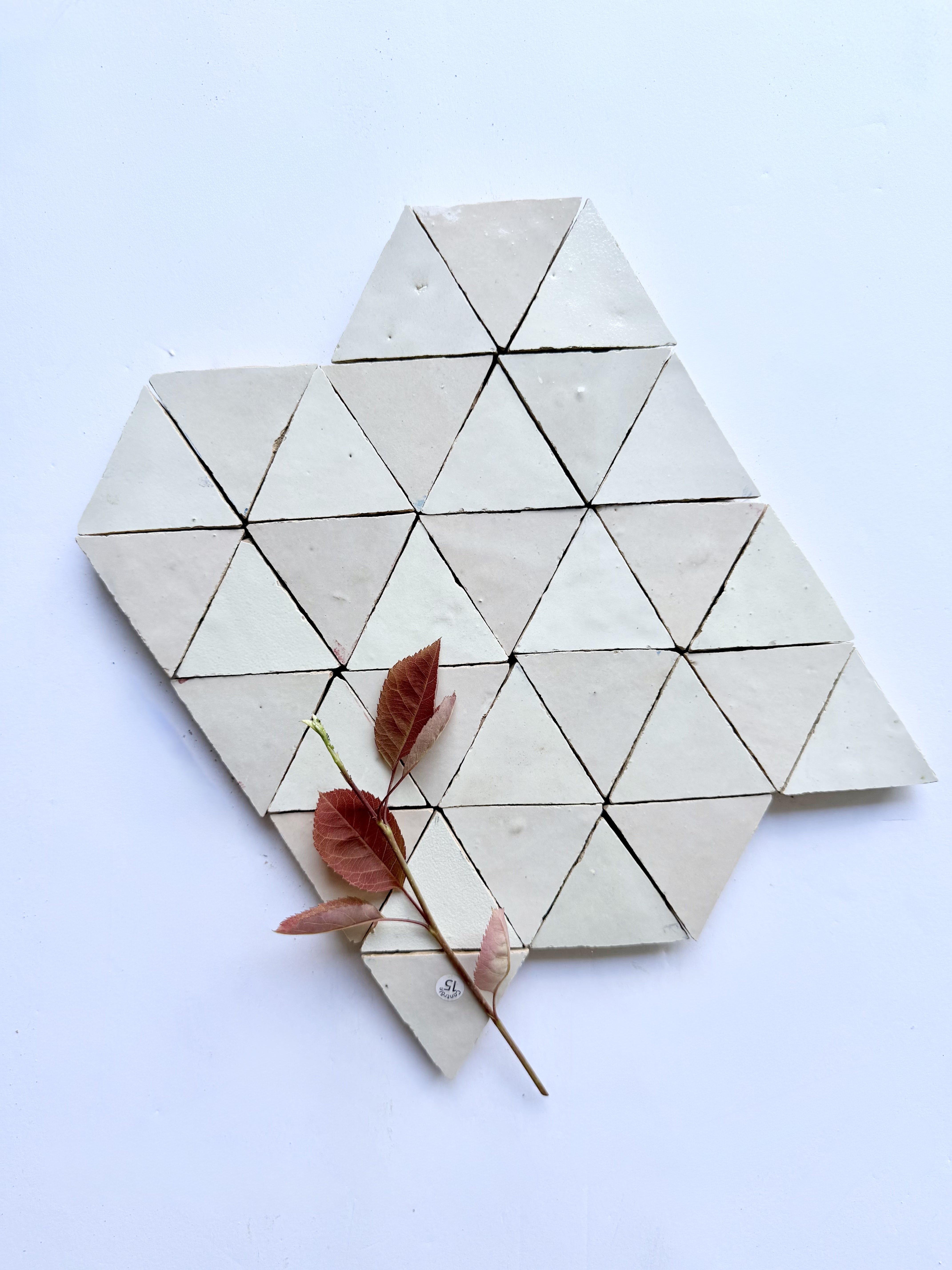
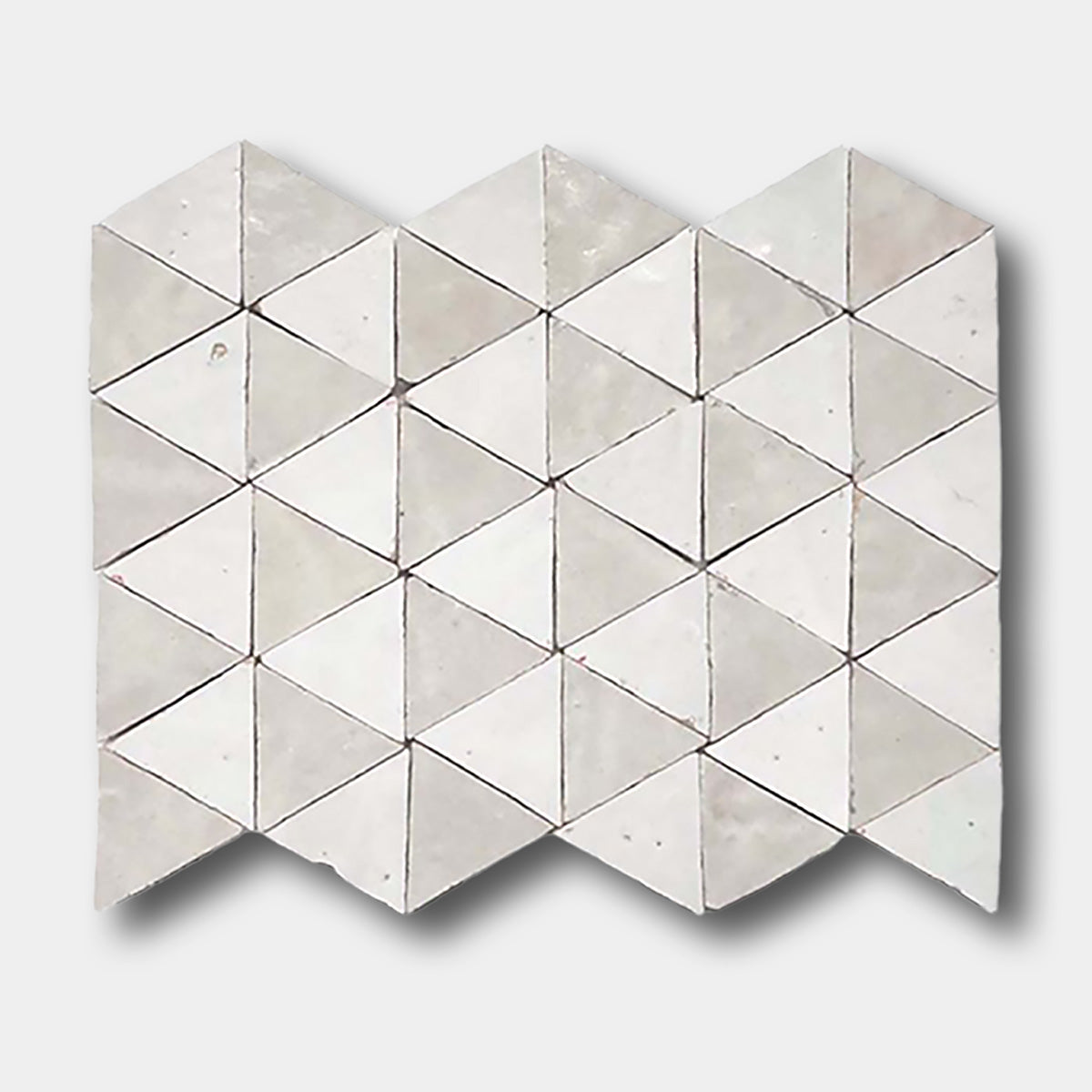
New York Cement Tile Zellige is handcrafted using traditional Moroccan techniques. Each tile features natural variation, uneven edges, subtle cracking, and tonal shifts hallmarks of authentic Zellige and its iconic perfectly imperfecta esthetic.


FAQs
New York Cement Tile Zellige is handcrafted using traditional Moroccan techniques. Each tile features natural variation, uneven edges, subtle cracking, and tonal shifts hallmarks of authentic Zellige and its iconic perfectly imperfect aesthetic.
Zellige tiles are suitable for:
- Walls and floors
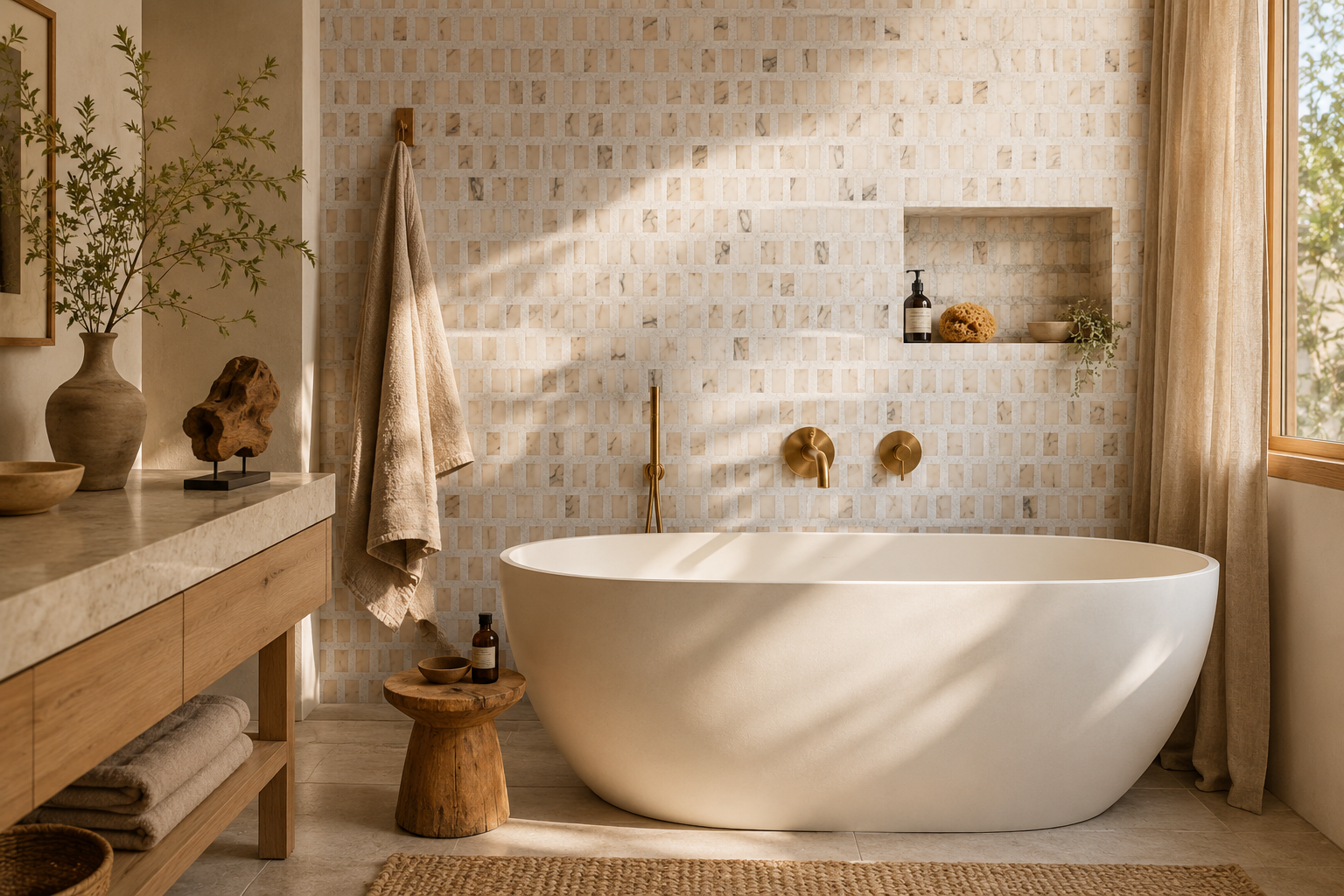
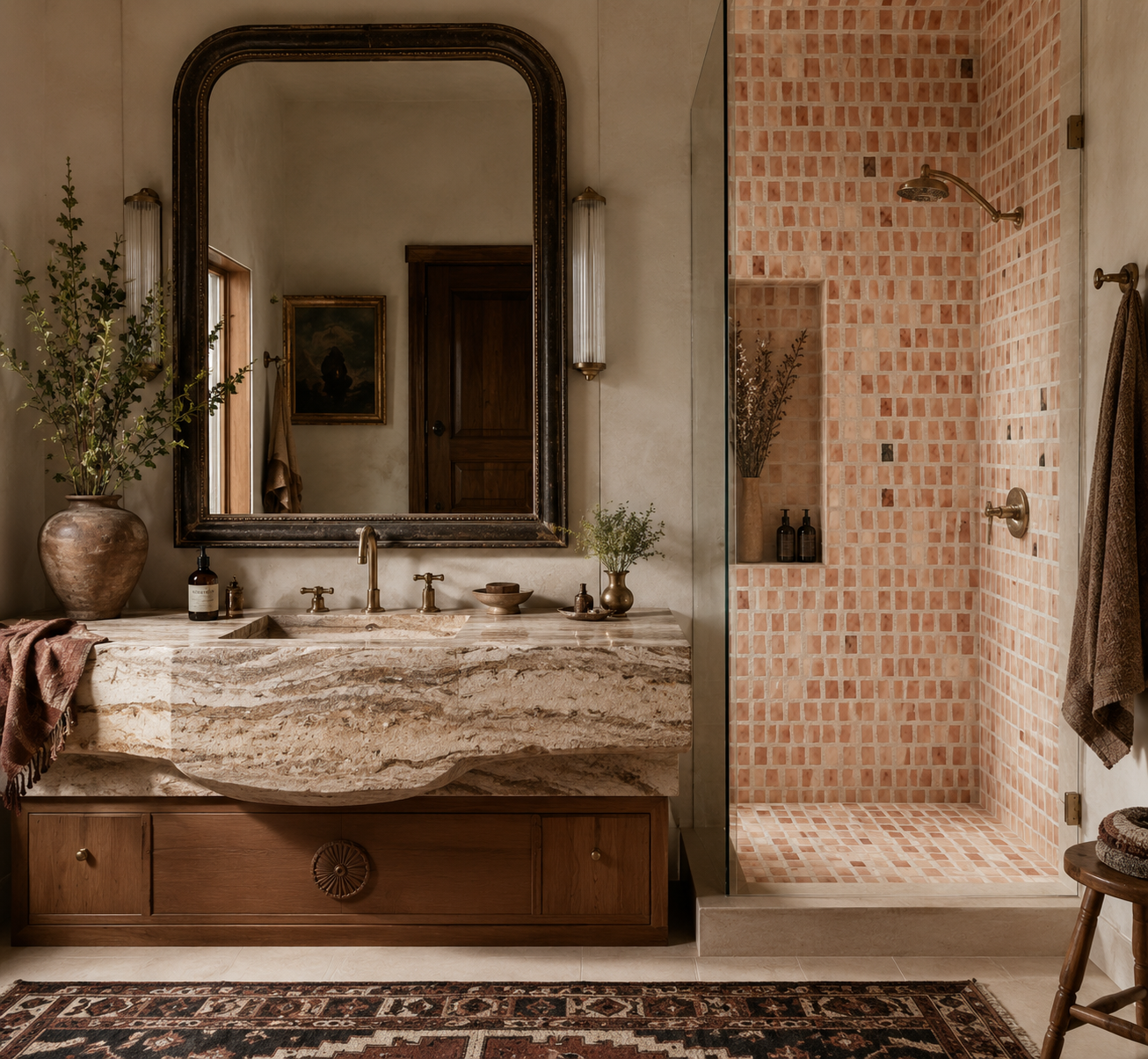
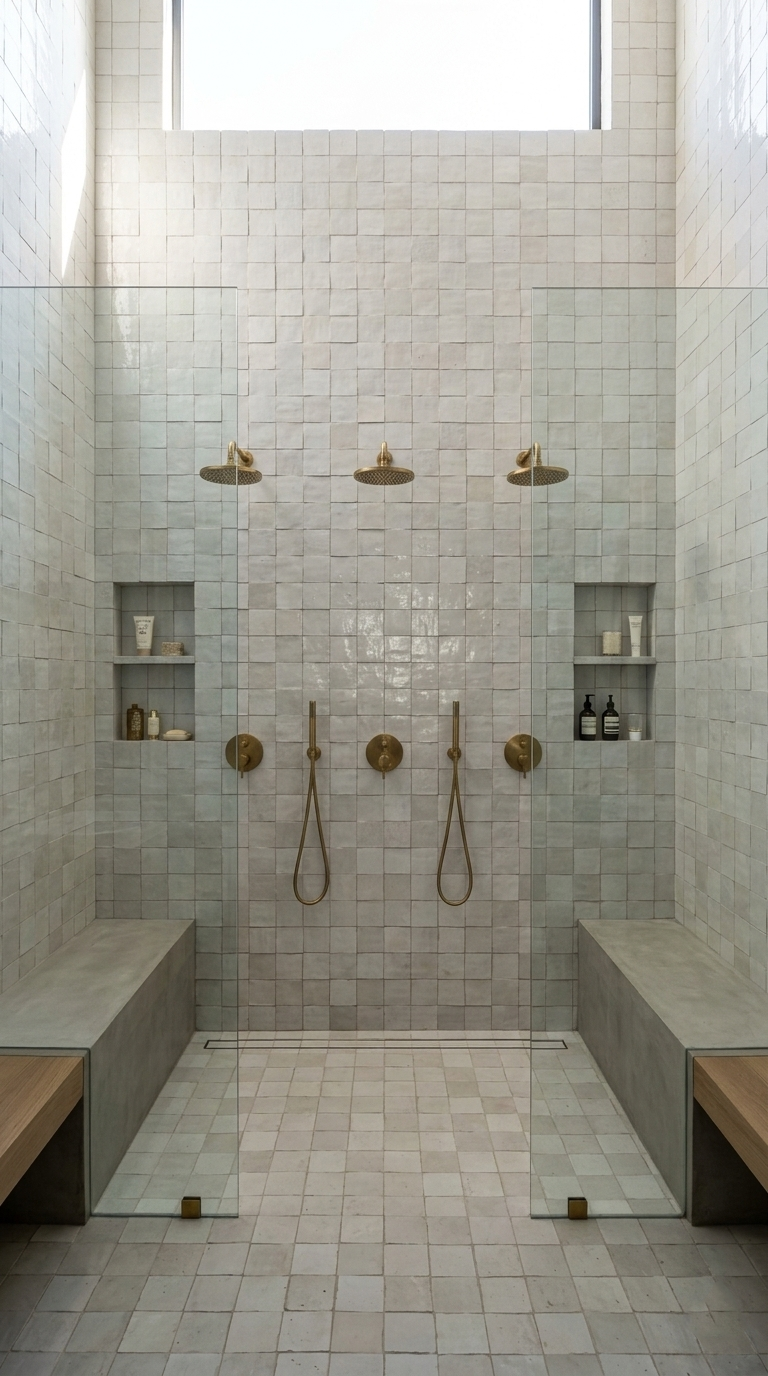
- Bathrooms and showers
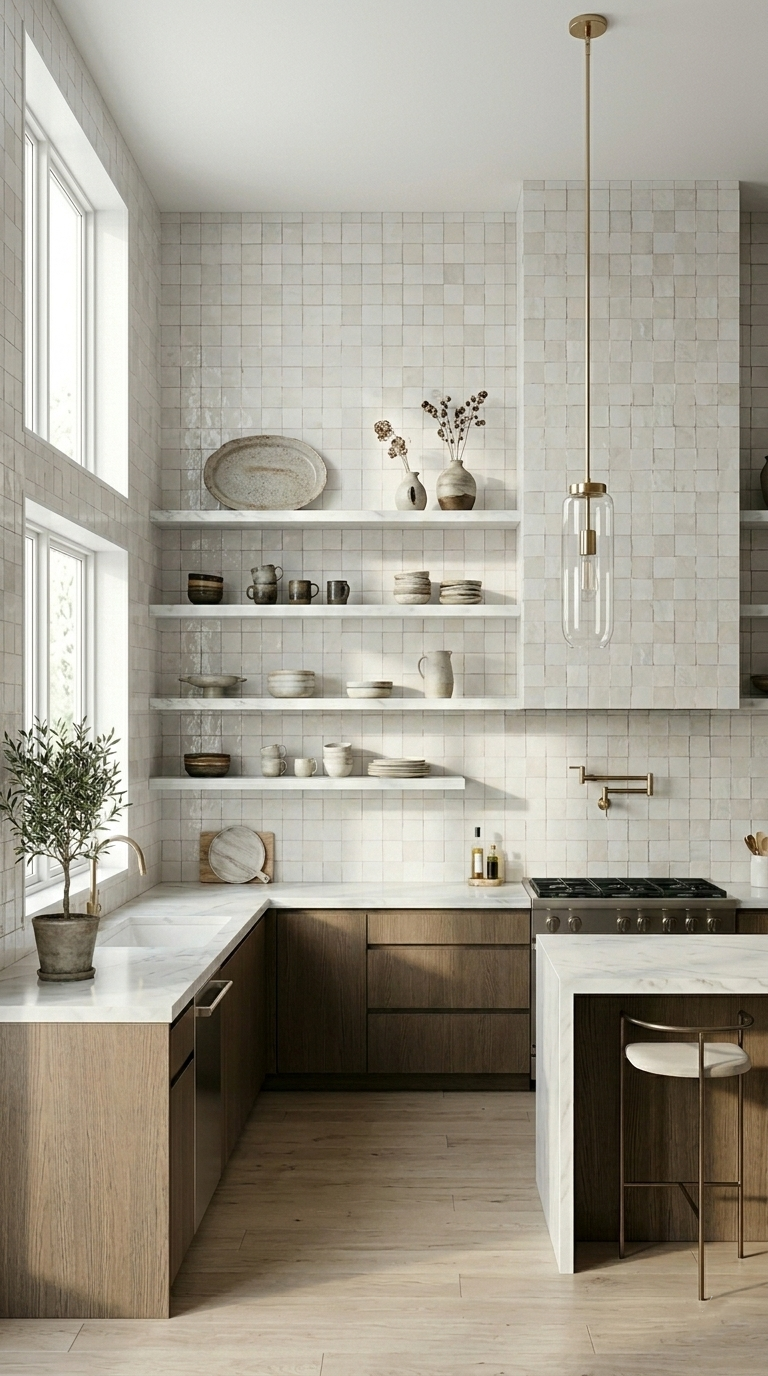
- Kitchen backsplashes
- Fireplace surrounds
- Indoor and outdoor applications
- Heated floors
Glazed Zellige may be used in pools and fountains with professional installation. Unglazed Zellige is not recommended for submerged use.
Are Zellige tiles suitable for pools or fountains?
Yes, glazed Zellige is an excellent choice for pools and water features. However, they must be installed by a professional experienced in submerged applications to ensure the substrate is properly waterproofed. Unglazed Zellige is not recommended for use in pools due to its natural porosity.
Can I use Zellige around a fireplace?
Absolutely. Zellige tiles are kiln-fired and naturally heat-resistant, making them ideal for fireplace surrounds. Note that they should not be used inside the firebox where they would be in direct contact with an open flame.
Glazed Zellige: Does not require sealing, as the glass-like surface is non-porous.
Unglazed Zellige: Must be sealed with a high-quality penetrating sealer (like Miracle 511 Porous Plus) both before and after grouting to prevent staining and moisture absorption.
Zellige should be installed edge-to-edge with minimal spacing. The tiles are laid edge-to-edge with no spacers, resulting in a minimal grout line (approximately 1/32"). Because of their handcrafted, irregular edges and variations in thickness
Tiles vary in thickness and size and should be mixed from multiple boxes during installation.
Never use mallets. Due to their handmade nature, installation by an experienced professional is strongly recommended.
Why do my tiles have chips or color variations?
Variations in shade, "pits" in the glaze, and small chips (called crazing) are not defects; they are the soul of authentic Zellige. These characteristics are a result of the ancient firing process and are what create the famous "shimmer" once the installation is complete. We recommend blending tiles from multiple boxes during installation to achieve a balanced spread of color and texture.
Use a flexible white adhesive or high-bond mortar, applied using the double-spread method on both the tile and the substrate. Maintain an adhesive bed of approximately 1/8" (3 mm) to help accommodate the natural irregularities of handmade Zellige tiles.
For grouting, use a fluid, fine-aggregate grout such as Mapei Ultracolor Plus FA. Because Zellige tiles are installed edge-to-edge, grout joints should remain minimal no greater than 1/32" (1 mm). Apply grout diagonally across the surface and clean with a damp sponge after 20–30 minutes. Always perform a test application in an inconspicuous area, particularly when working with unglazed tiles.
Zellige should be installed edge-to-edge with minimal spacing. Tiles vary in thickness and size and should be mixed from multiple boxes during installation.
Never use mallets. Due to their handmade nature, installation by an experienced professional is strongly recommended.
For detailed step-by-step instructions, please review our Zellige Installation Guide
Yes. Our tiles are crafted from natural clay and minerals. Because they utilize traditional Old-World glazing techniques, we recommend using a wet saw for any necessary cuts to eliminate dust and performing the work in a well-ventilated area.
For daily care, use a mild, pH-neutral cleanser and a soft cloth. Avoid abrasive pads, bleach, or acidic cleaners (like vinegar), which can etch the surface over time. For pool or shower applications, regular cleaning prevents limescale buildup.

