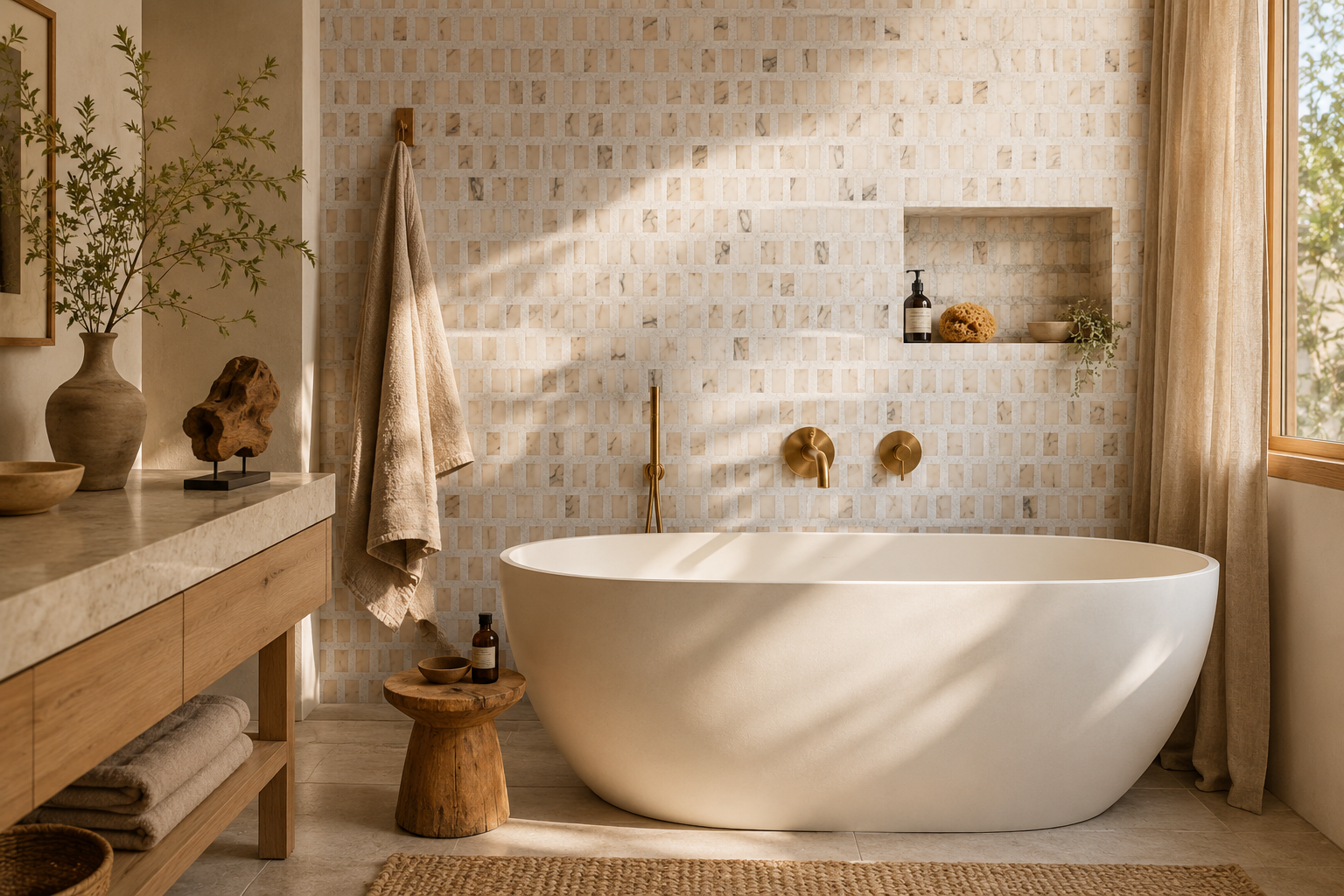
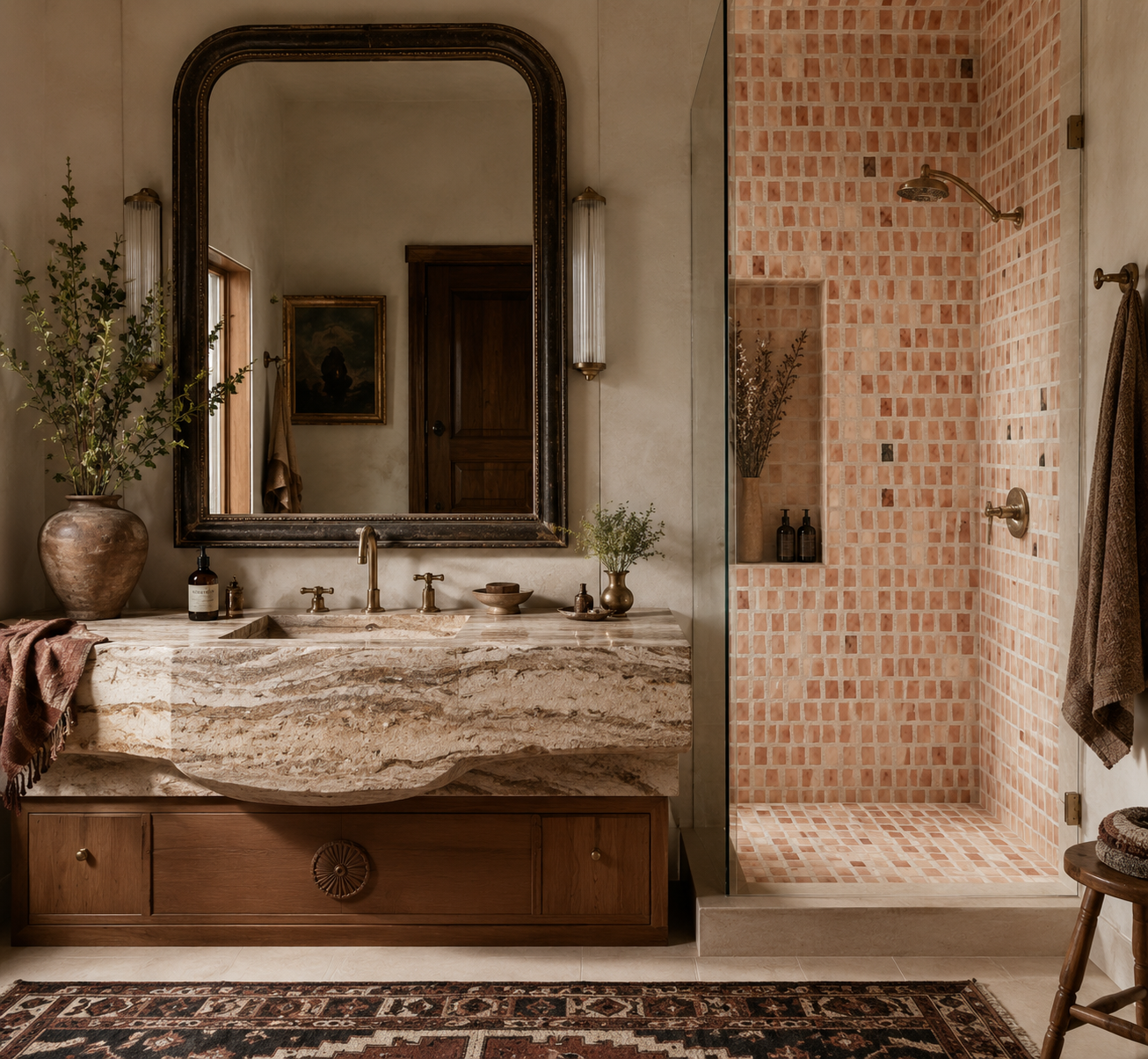
ZELLIGE TILE IS INCREDIBLY VERSATILE

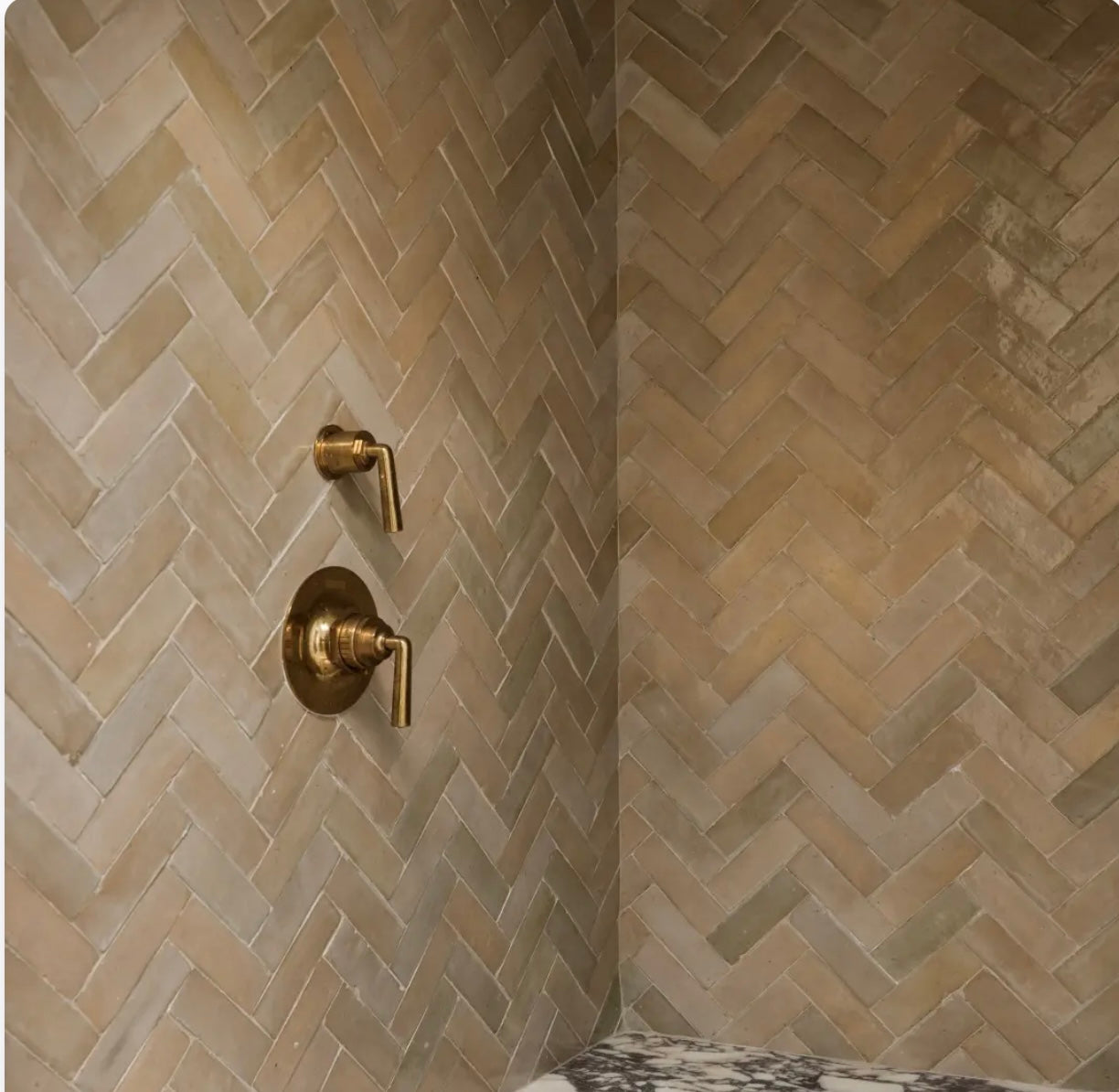
Zellige tile is incredibly versatile, perfect for most applications. From walls to backsplashes to flooring, our zellige tiles can be used to transform any space into a place of beauty. And if you’re looking to improve a bathroom or shower, zellige tiles are one of the best options available as their glazed finish works great in a wet environment.
MORROCAN ZELLIGE
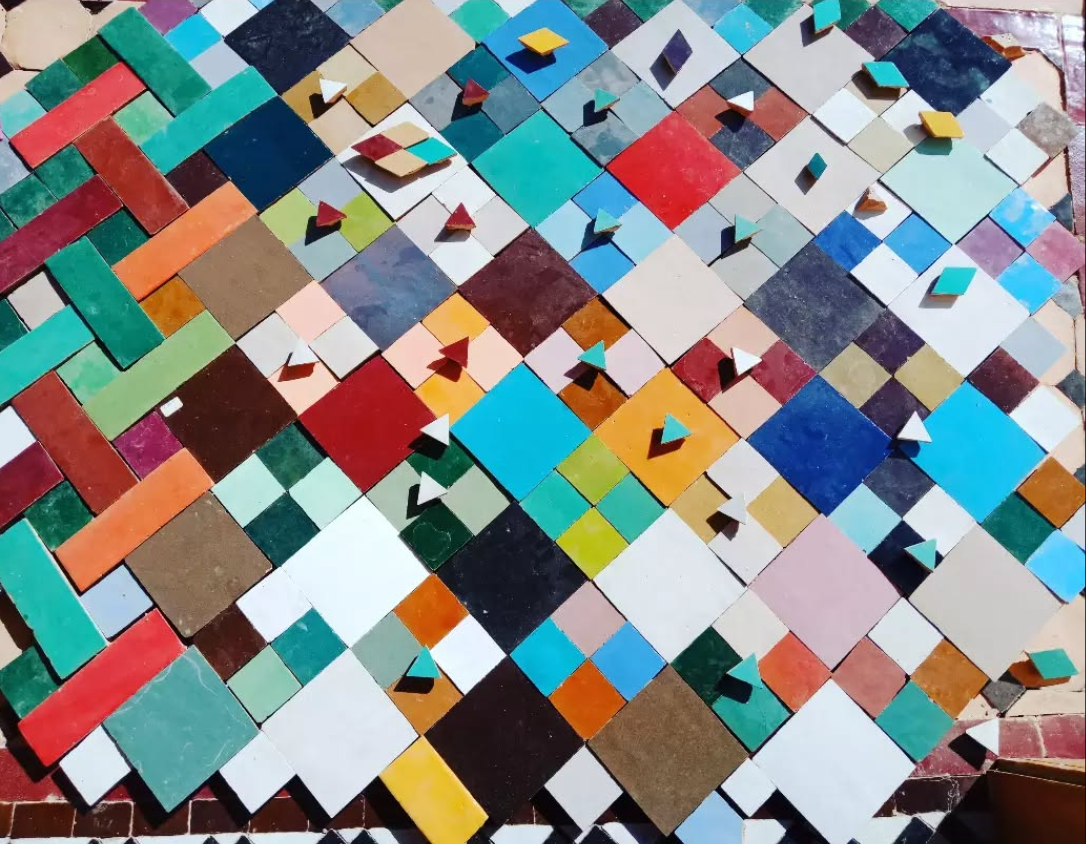
The production of zellige requires true craftsmanship. The maâlems (master craftsmen) start learning this niche process as apprentices. Historically used in geometric and floral shapes in the most beautiful palaces, zellige is only now becoming more widely available.
Our craftsmen start with raw clay which they soak in water and hand filter for impurities. At this point, the clay becomes a soft, malleable substance that can be placed into various molds. These pieces are then placed side by side and left to dry in the bright Moroccan sun. The tiles are flattened and shaped by hand and left to dry further. Each tile is hand dipped in glaze and then methodically placed in an earthen kiln. Heat is distributed unevenly throughout the kiln which gives zellige gorgeous variations.
Every tile is an expression of the artisan’s work that day—beautifully imperfect and unique. Lastly, the tiles are glazed and cut to perfection. Each tile is a piece of art in its own right.

HOW ITS MADE
For zellige, the highest quality of clay must be used and is found in the Fez region of Morocco. Once found, in underground mines or open pits, this clay is soaked in water until it reaches a soft texture. The clay is then filtered by hand to extract impurities like rocks and branches. After filtering, a skilled craftsmen flattens the clay into square shapes by hand, ensuring it is compact and with no air bubbles in it. The square raw clay tiles are then sun-dried on a rooftop.
After the tiles are well dried, another skilled craftsmen applies the glaze colors by hand, one-by-one, to only one side of the tiles. Once dried, the tiles are meticulously stacked in a natural olive-pit fired kiln. In these traditional Moroccan kilns heat circulates unevenly, imbuing each handmade tile with its own unique tone, texture, and color. This perfect imperfection is what sets Moroccan zellige apart from every other tile on Earth.
Once fired, a skilled artisan will use a medieval tool called a ‘menkach’, a combination of an axe and hammer, to cut and shape each tile into the desired shape. This intricate process involves great patience and skill. The final result is Moroccan zellige tile with both tonal and size variation, along with small chips, pits and cracks that are to be cherished and celebrated.